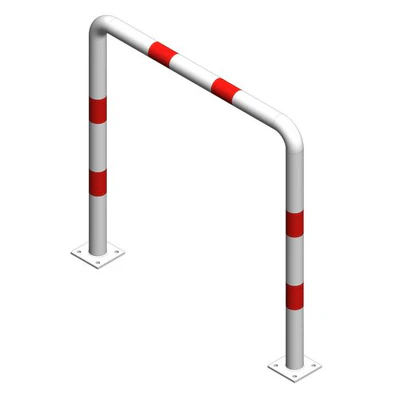
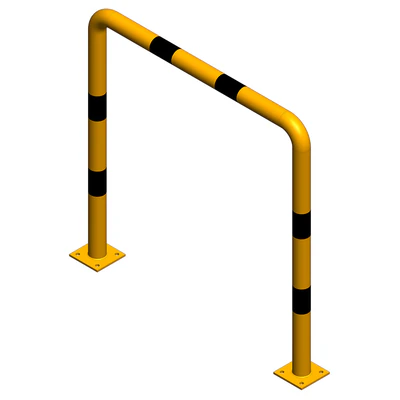
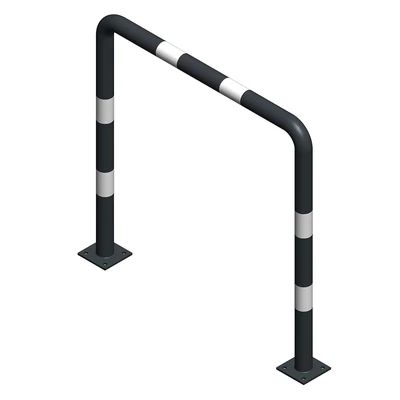
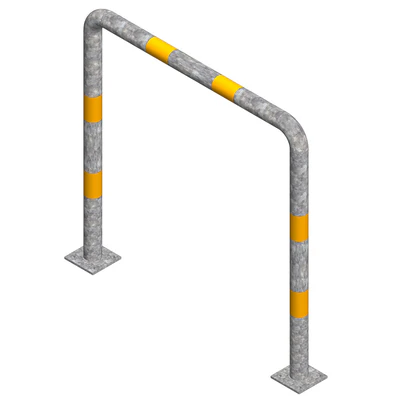
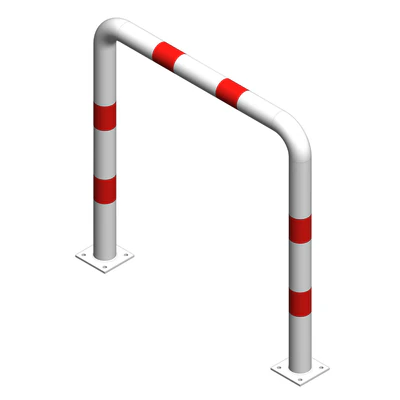
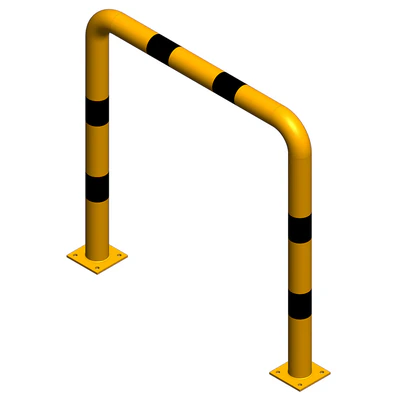
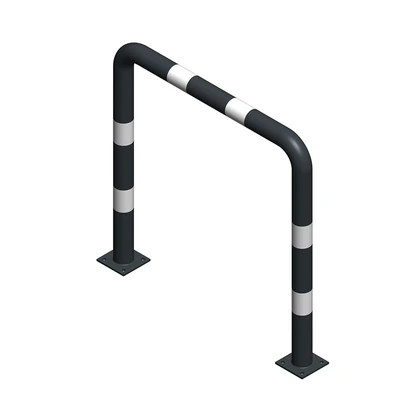
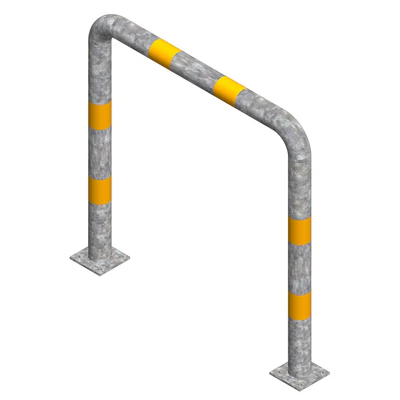
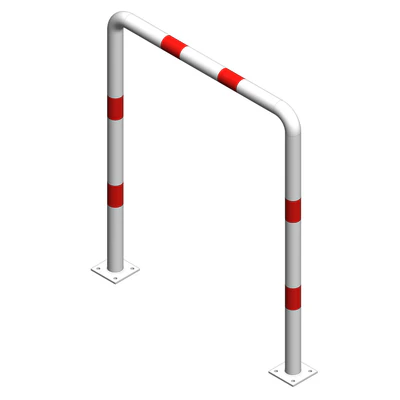
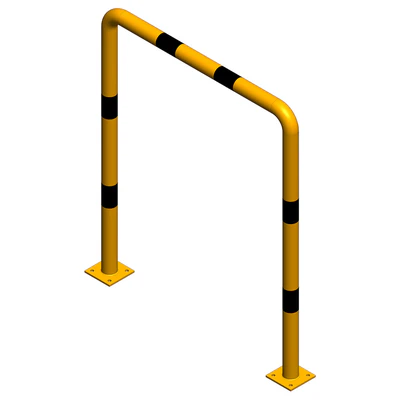
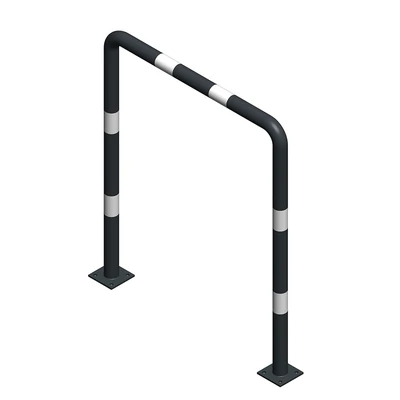
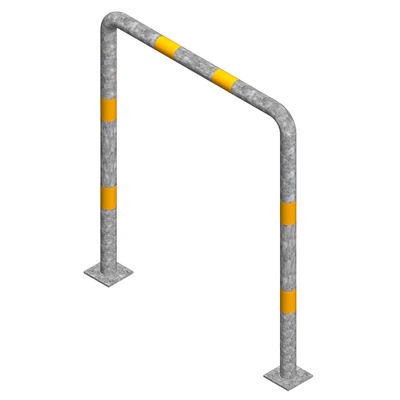
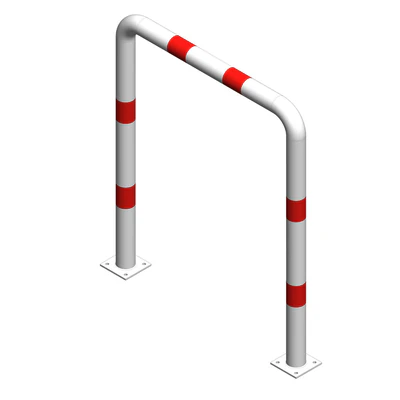
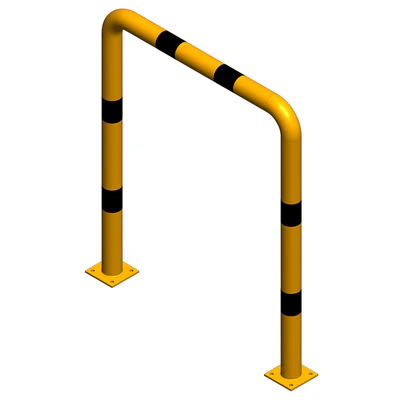
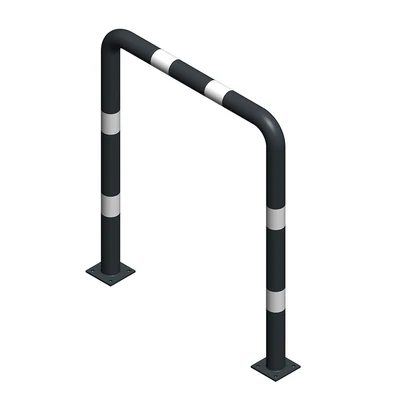
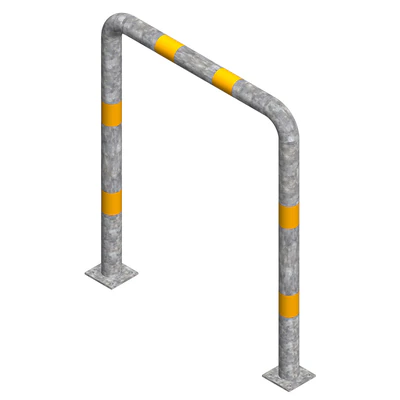
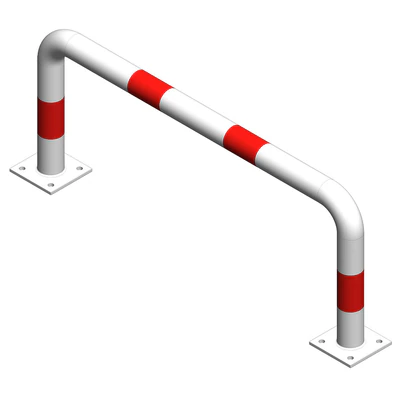
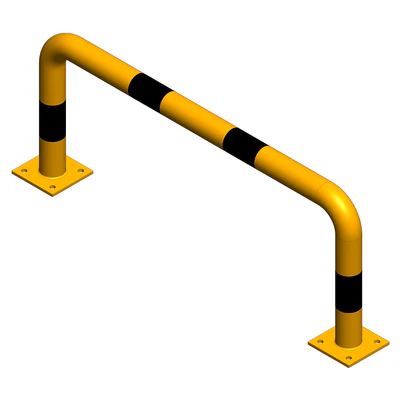
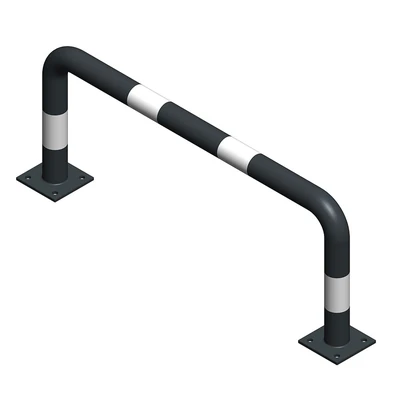
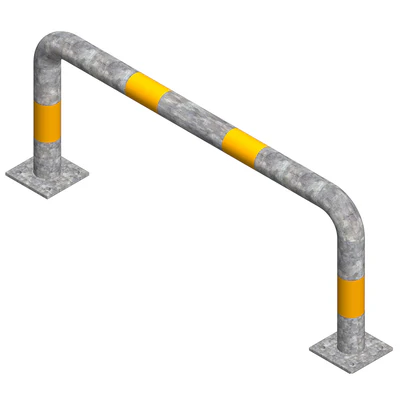
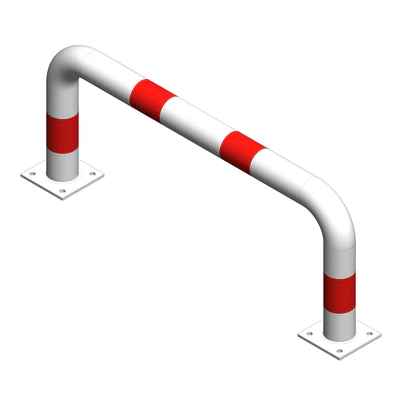
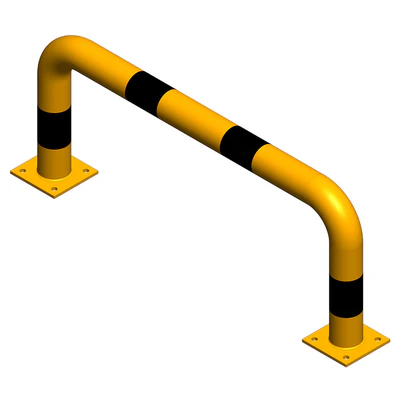
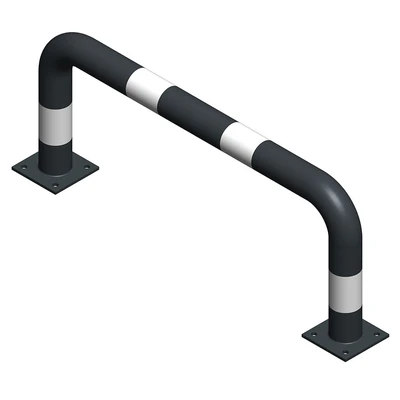
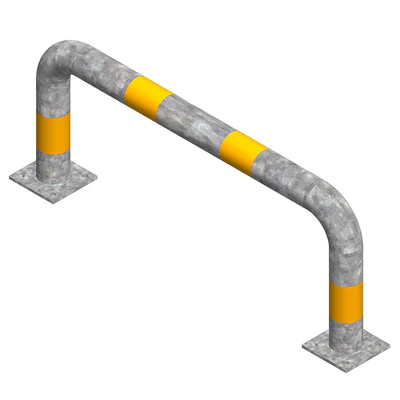
Protective equipment they are devices designed to protect people, vehicles and infrastructure, providing clear space safety and delimitation.
How to choose protectors
The products in this category cover dimensions between 60.3 mm and 1200 mm. Check the size, material and compatibility with your application in each product file.
In addition, for orders and questions, the Blockator.ro team offers delivery throughout the country and technical advice.
What Protectors Are
Protective defenders are equipment designed to prevent accidents and damage to infrastructure in areas with high traffic or potential hazards. They may be mounted on the floor, on walls or as independent barriers, having the role of guiding the movement and protecting sensitive elements such as vehicles, industrial equipment or pedestrian areas.
The materials used vary from hard plastic, rubber, stainless steel, aluminium, until modular combinations, each type having specific advantages depending on the environment and purpose of use.
Why Protection Defenders Are Important
The correct use of defenders brings multiple benefits:
- Prevention of collisions between vehicles and infrastructure
- Protection of sensitive equipment or workspaces
- Clear area delimitation For motor and pedestrian traffic
- Increasing safety in parks, warehouses, yards and urban areas
Main benefits for users:
- Reducing the risk of accidents and material damage
- Effective organisation of traffic and pedestal flows
- Increased visibility, especially in areas with intense traffic
- Flexibility and adaptability to different environments
Where to use
Industrial spaces
- Production warehouses and warehouses
- Protection of machinery and shelves
- the delimitation of access routes for internal vehicles
Public parks and areas
- delineation of parking spaces
- protection of walls and urban infrastructure
- guidance of pedestrians and vehicles
Construction sites and temporary areas
- the delimitation of workspaces
- protection of equipment and employees
- rapid reconfiguration of temporary traffic flows
How it works
Protective defenders operate as Physical and visual barriers, which absorbs shocks, prevents direct contact with sensitive objects and clearly signals the boundaries of the area. Their operation depends on:
- Material and flexibility – flexible rubber vs. rigid metal
- Fix – permanent (screws, anchors) or mobile (heavy, modular bases)
- Visibility – contrasting colors, reflective strips
Example: a defendor mounted on the corner of a shelf protects both the shelf and the equipment passing by.
Types of Protective Defenders
1. Wall and corner defenders
- Protects the infrastructure from accidental hits
- ideal for parking, warehouses, shopping centers
2. Floor Defenders
- ground level location for traffic delineation
- absorbs the impact of vehicles or equipment
- Easy to install and maintain
3. Modular or mobile defences
- flexible, can be quickly reconfigured
- Fittings for temporary events or construction
- combination of rigidity and flexibility
4. Defenders with increased visibility
- Reflective or fluorescent colours
- night traffic signalling or reduced visibility
Differences between options
| Type |
Material |
Mobility |
Ideal for |
| Perete/colț |
Rubber, plastic |
Fix |
Parking spaces, warehouses, shopping malls |
| Floor |
Rubber, polyurethane |
Fix/Modular |
Parking spaces, industrial areas |
| Modular |
Hard plastic, rubber |
Yes |
Shipyards, temporary events |
| Reflecting |
Cauciuc/Plastic |
Fix/Da |
Areas with reduced traffic visibility, night |
How to choose the right protectors
- Set the purpose – protection of vehicles, equipment or pedestrians
- Analyze the environment – interior, exterior, intense traffic
- Choose the right material – flexible for minor impact, rigid for severe protection
- Check the visibility – contrasting colours and reflective strips
- Choose for mobility – permanent vs. modular/portable
Common errors
- the choice of a type of defence that is inadequate for the environment
- incorrect installation or without adequate fixing
- absence of visual elements for night or unfavourable conditions
- failure to adapt the solution to the actual traffic flow
Professional recommendations
- Combine defenders with visual markings and signalling
- plan location according to actual traffic flow
- periodically verify the state and stability of the defenders
- opt for durable, weather resistant and impact solutions
Maintenance and good practice
- regular cleaning for visibility and sustainability
- verification of fixation and replacement of damaged components
- adapting the location to changing traffic flows
- preventive maintenance for long-term safety
Long-term benefits
- increased safety For pedestrians, vehicles and equipment
- clear spatial organisation and flows
- preventing accidents and material damage
- compliance with legal and safety standards
- reduction of maintenance and repair costs
Conclusion
Protective defenders are essential for accident prevention, infrastructure protection and efficient spatial organisation. Correct choice, professional installation and regular maintenance ensure safety and efficiency in any environment, whether industrial, urban or temporary.