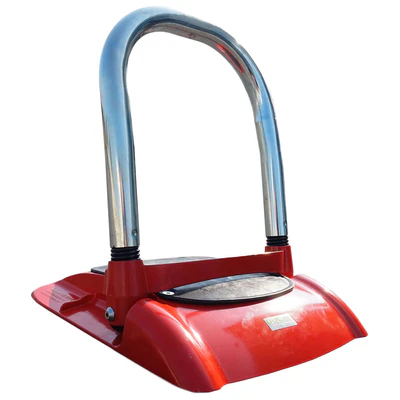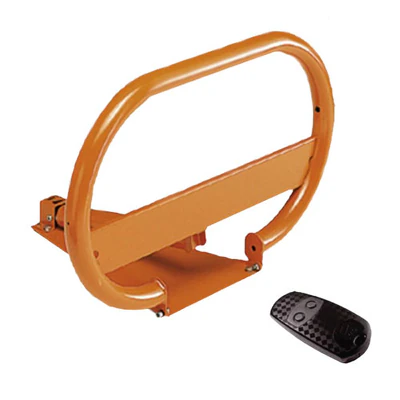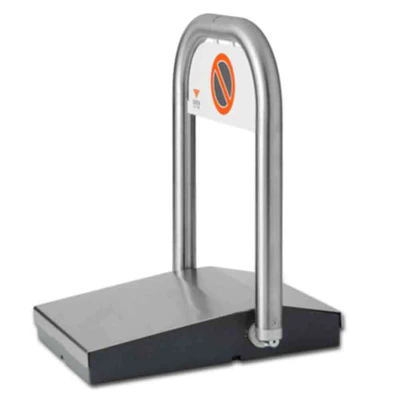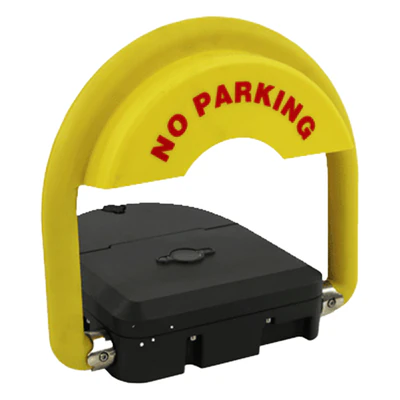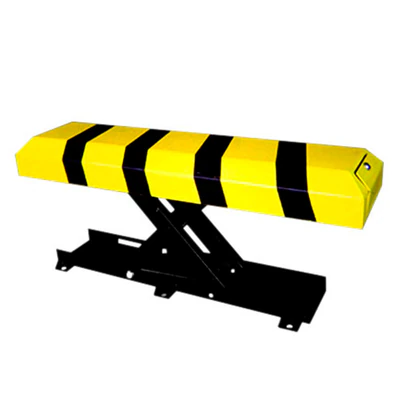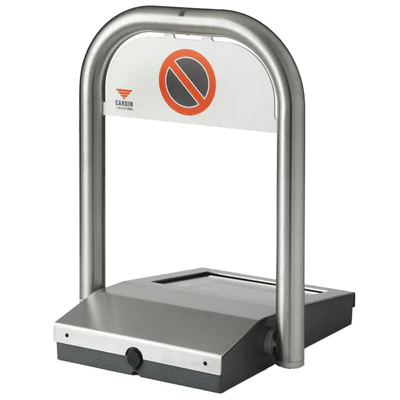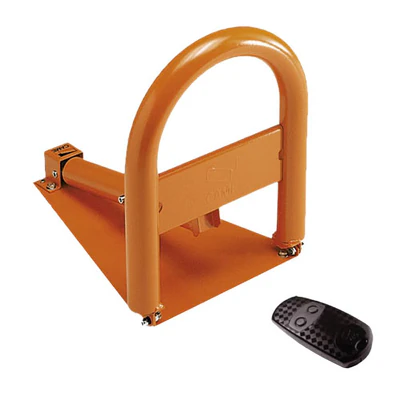
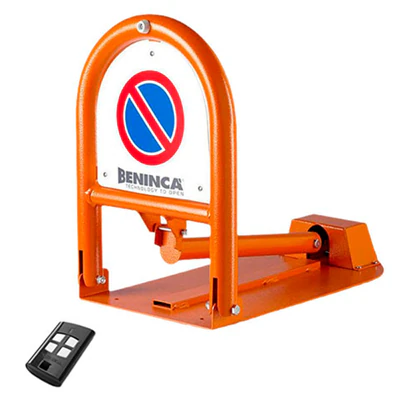
Parking space lock, Beninca, VE.SOR, for 1 seat
3.484,24 lei
In stock at supplier
sup8 variant
Request a quote – Parking space lock, Beninca, VE.SOR, for 1 seat See options – Parking space lock, Beninca, VE.SOR, for 1 seatWe use strictly necessary cookies to run the site and, only with your consent, to remember viewed products, for visit statistics and for YouTube video playback. You can change your mind at any time from “Cookie settings” at the bottom of the page. Cookie policy
Technical advice: 021 450 60 70 · Fast delivery nationwide · Blog
Automatic devices are systems that control and execute processes without constant manual intervention, increasing efficiency and safety.
3.484,24 lei
In stock at supplier
sup8 variant
Request a quote – Parking space lock, Beninca, VE.SOR, for 1 seat See options – Parking space lock, Beninca, VE.SOR, for 1 seat318,13 lei
outOut of stock
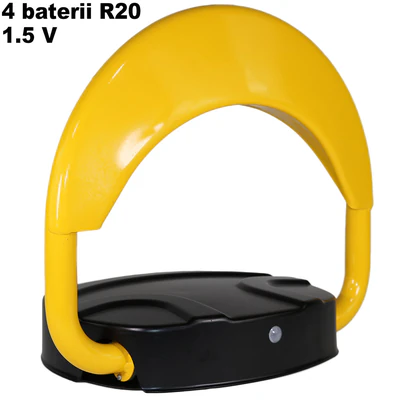
Request a quote – Blocker for automatic parking place model BPA-02, remote control, 6 V, 4 batteries R20 x 1.5 V See options – Blocker for automatic parking place model BPA-02, remote control, 6 V, 4 batteries R20 x 1.5 V261,36 lei
outOut of stock
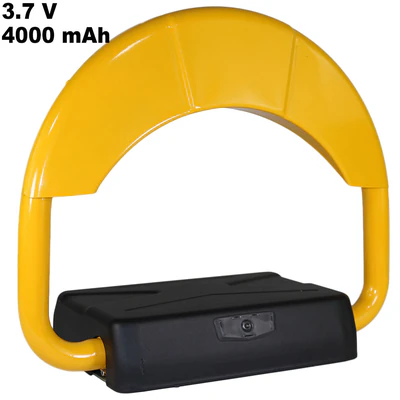
Request a quote – BPA-07 automatic parking space blocker, remote control, 3.7 V and 4000 mAh accumulator See options – BPA-07 automatic parking space blocker, remote control, 3.7 V and 4000 mAh accumulator352,84 lei
outOut of stock
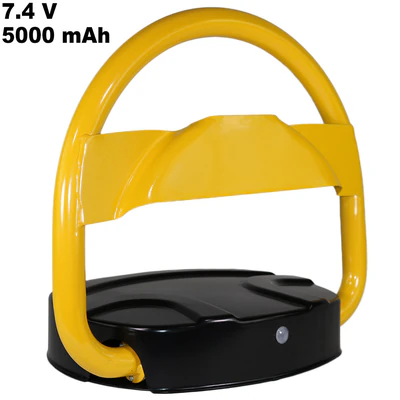
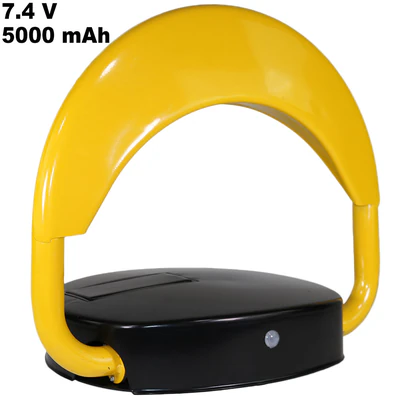
Request a quote – Automatic parking block model BPA-06, remote control, accumulator 7.4 V and 5000 mAh See options – Automatic parking block model BPA-06, remote control, accumulator 7.4 V and 5000 mAh352,84 lei
outOut of stock
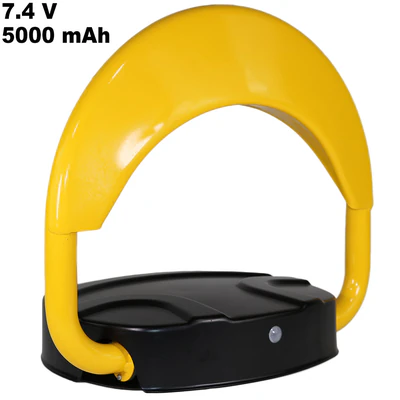
Request a quote – Automatic parking space block model BPA-01, remote control, accumulator 7.4 V and 5000 mAh See options – Automatic parking space block model BPA-01, remote control, accumulator 7.4 V and 5000 mAh3.262,41 lei
In stock at supplier
sup Request a quote – Automatic parking space lock Ducati model MY PARK 2110 See options – Automatic parking space lock Ducati model MY PARK 2110445,76 lei
outOut of stock
Request a quote – Blocker for automatic parking model BPA-04, remote control, solar panel, accumulator 7.4 V and 5000 mAh See options – Blocker for automatic parking model BPA-04, remote control, solar panel, accumulator 7.4 V and 5000 mAh1.296,89 lei
In stock at supplier
sup Request a quote – Automatic battery blocker and CC-3S remote control See options – Automatic battery blocker and CC-3S remote control9.781,63 lei
In stock at supplier
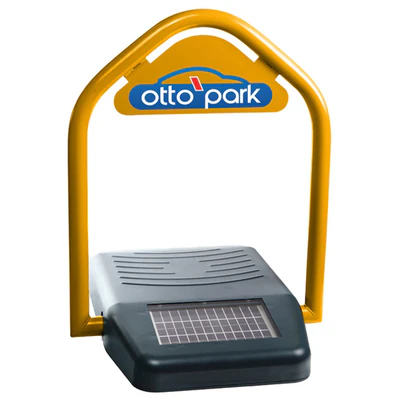
sup Request a quote – Automatic parking block with solar panel OTTOPARK model OTP 1201 SOL See options – Automatic parking block with solar panel OTTOPARK model OTP 1201 SOL3.474,59 lei
In stock at supplier
sup8 variant
Request a quote – Camera UNIPARK 2 parking space lock system for 1 seat See options – Camera UNIPARK 2 parking space lock system for 1 seat5.907,02 lei
In stock at supplier
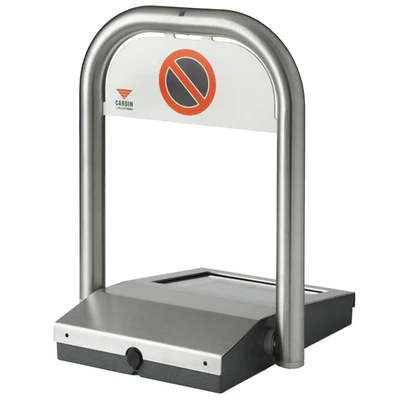
sup Request a quote – Automatic locking system for parking spaces Cardin PARKLINE See options – Automatic locking system for parking spaces Cardin PARKLINE1.822,26 lei
In stock at supplier
sup Request a quote – Automatic locking system for parking spaces Parking Curb See options – Automatic locking system for parking spaces Parking Curb3.519,73 lei
In stock at supplier
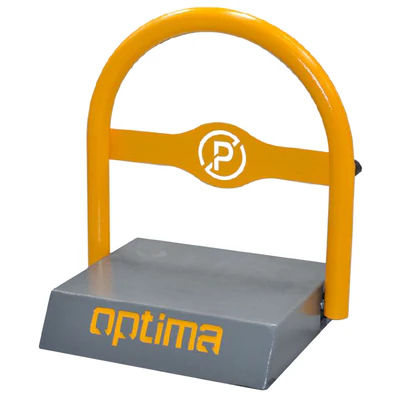
sup Request a quote – Optima PAS-100 automatic parking space blocker See options – Optima PAS-100 automatic parking space blocker1.742,40 lei
In stock at supplier
sup Request a quote – System for blocking the parking space automatically BORDURA See options – System for blocking the parking space automatically BORDURA5.398,61 lei
In stock at supplier
sup Request a quote – Automatic locking system for Cardin PARKSUN parking spaces See options – Automatic locking system for Cardin PARKSUN parking spaces2.908,14 lei
In stock
in8 variant
Request a quote – Parking space locking system Came UNIPARK 1 for 1 seat See options – Parking space locking system Came UNIPARK 1 for 1 seat7.075,63 lei
In stock at supplier
sup Request a quote – Automatic solar panel and Cardin PARKSUN-SR vehicle detector See options – Automatic solar panel and Cardin PARKSUN-SR vehicle detector7.259,23 lei
In stock at supplier
sup Request a quote – Automatic blocker with solar panel, vehicle detector and bluetooth Cardin PARKSUN-BTS See options – Automatic blocker with solar panel, vehicle detector and bluetooth Cardin PARKSUN-BTSWe didn't find any products for the chosen filters.
You can compare variations from Came, Beninca, No Mark, Cardin and Ducati. Check the size, material and compatibility with your application in each product file.
In addition, for orders and questions, the Blockator.ro team offers delivery throughout the country and technical advice.
Category automatic devices include equipment and mechanisms that operate autonomously on the basis of pre-set parameters, signals received from sensors or programmed logics. Their role is to control, rule, start, stop or adapt a process without permanent human intervention.
In short, there are solutions that:
In modern industry and infrastructure, these systems are no longer a luxury, but a necessity for constant performance and safety.
Automation is present in almost all technical areas.
In production, autonomous control ensures repeatability and eliminates human variations.
A typical automatic system has three essential components:
It detects a modification:
Process the information and decide the appropriate action.
It can be:
Effectively executes the action:
Concrete example:
The sensor detects the pressure drop → the control unit processes → the pump is automatically started.
Repetitive processes shall be carried out consistently and accurately.
Automation eliminates variations generated by fatigue or non-attention.
In critical applications, the automatic reaction is faster than human intervention.
In the long term, the investment shall be depreciated by:
For industrial applications, the benefits are quantifiable in performance and stability.
Used to adjust the technical parameters.
Example:
Devices that turn energy into controlled motion.
They may be:
The choice depends on strength, speed and working environment.
It integrates multiple sensors and continuous adjustment.
Major advantage:
adaptive reaction in real time
Allow configuration and advanced customization.
They are suitable for:
Some models allow only limited settings, others are completely configurable.
For safety applications, response time is critical.
Essential question:
"What concrete problem can be solved by automation?
It's about:
An autonomous system must communicate effectively with existing infrastructure.
Choose solutions:
Unnecessary automation brings costs without real benefits.
Maybe it creates reliability issues.
In critical applications, backup is required.
Even if it works autonomously, the system must be understood.
From practical experience:
Even autonomous systems require regular checks.
For programmable systems, firmware optimization can improve performance.
Over time, vibrations or environmental conditions may affect the operation.
Especially in safety applications.
When the process is repetitive, critical or consumes significantly manual time.
In most cases, yes, with appropriate technical analysis.
The automatic solution works independently on the basis of set parameters, without constant intervention.
Automatic devices are essential for modern performance, safety and efficiency. They offer:
The right choice involves technical analysis, planning and strategic integration. A well-implemented solution not only simplifies processes, but transforms how they work – more precisely, more secure and more efficient.
Get our offers and news once a month. You can unsubscribe at any time.