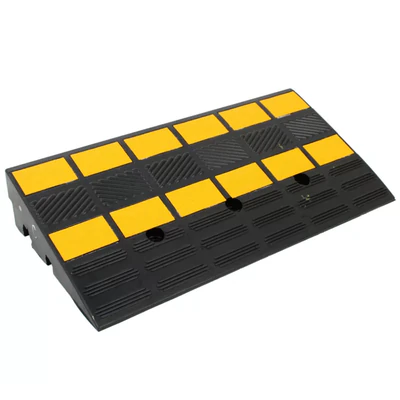
What are ramps for the edges
The ramps for the edges are temporary or permanent access solutions, designed to transform the edges and steps into smooth passes. It allows:
- access to persons with wheelchairs
- passing of carriages for children
- Transport of luggage or equipment on wheels
These elements reduce the risk of accidents and facilitate mobility in public or private areas.
Why ramps are important for the edges
Without ramps, the edges become barriers to:
- persons with reduced mobility
- persons in a wheelchair or with a support framework
- bicycles and scooters
- carriages for children and the transport of goods
Benefits of ramp installation include:
- increased safety for all users
- accident prevention
- easy access for people with disabilities
- compliance with urban accessibility rules
Where they are commonly used
Public and urban areas
- pedestrian crossings and crossings
- Bus stations and trams
- underground parking lots and parking lots
Institutions and buildings
- Schools and kindergartens
- hospitals and medical centres
- administrative buildings and commercial spaces
Events and temporary locations
- Fairs and exhibitions
- construction sites with temporary access requirements
How a board ramp works
A ramp takes over the level difference between the edge and the road and creates a smooth, continuous surface and anti-slip. Technical characteristics include:
- slope according to accessibility rules (max. 8–10%
- Textured surface for adhesion
- Heavyweight resistance and heavy traffic
- Modular options for adaptation to different heights
Types and variants of ramps
1. Modular ramps
- is mounted quickly and can be adjusted to different heights
- ideal for urban areas and parks
2. Fixed ramps of metal or rubber
- sustainable and resistant to heavy traffic
- suitable for permanent areas
3. Foldable or portable ramps
- temporary solutions for events or construction sites
- easy to transport and store
4. Anti-slip texture ramps
- safe in conditions of rain or ice
- recommended for walking and frequent crossings
Relevant differences between options
| Type ramp |
Resistance |
Installation |
Mobility |
Ideal for |
| Module |
Medium-high |
Quick |
Yes |
Public areas, parking spaces |
| Fixed |
Very high |
Permanent |
No, I don't |
Buildings, intense urban spaces |
| Pliable |
Average |
Time |
Yes |
Events, shipyards |
| Anti-slip |
Average |
Quick |
Variable |
Walking, wet spaces |
How to choose a right ramp for the edge
1. Determines purpose
- permanent or temporary access
- frequency of users
- type of traffic (petonal, wheelchairs, carriages)
2. Check dimensions and slope
- edge height and length available
- compliance with the rules for persons with disabilities
3. Material and resistance
- Rubber → Absorption and safety
- metal → high resistance, durability
- Modular materials → adaptability and ease of transport
4. Safety
- anti-slip surface
- stability on the mounting surface
- visibility increased by contrasting colors
Common errors
- choice of a ramp too short or too steep
- improper assembly
- ignoring the traffic and the maximum weights borne
- non-use of anti-slip materials
Professional recommendations
- Plan the location according to the pedestrian flow
- Check local accessibility rules
- Choose durable, weather-resistant material
- Choose for modular ramps for easy flexibility and maintenance
Maintenance and good practice
- Regular cleaning to prevent slippage
- Verification of regular stability and fixation
- Replacement of damaged sections
- Inspection after weather or intense traffic
Adequate maintenance ensures long-term sustainability and safety.
Long-term benefits
- universal accessibility
- safety for all categories of users
- sustainability and maintenance economy
- compliance with accessibility standards
- modern professional and urban image
Conclusion
Edge ramps are the essential solution for easy access and safety in urban spaces, parks or public buildings. The right choice, proper assembly and regular maintenance transforms barriers into safe and sustainable crossings, providing comfort and mobility for all users.