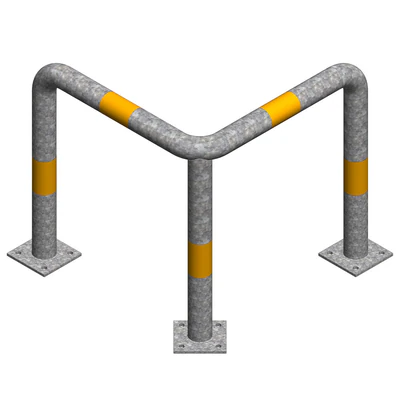
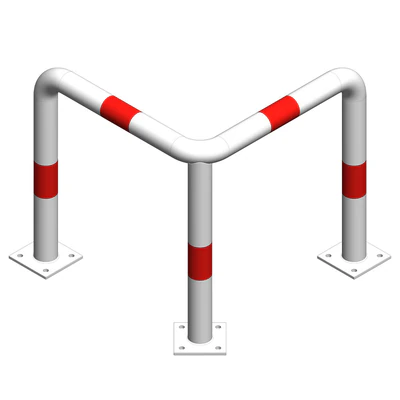
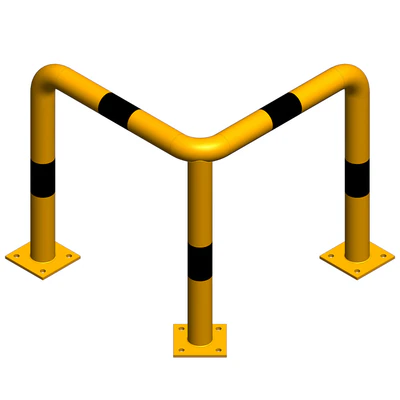
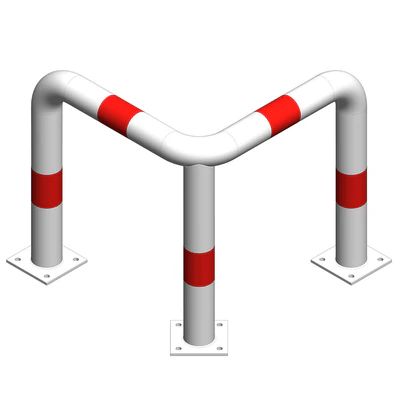
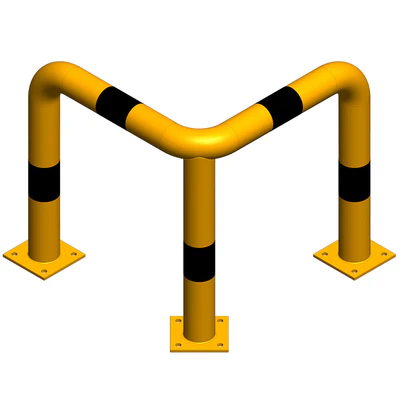
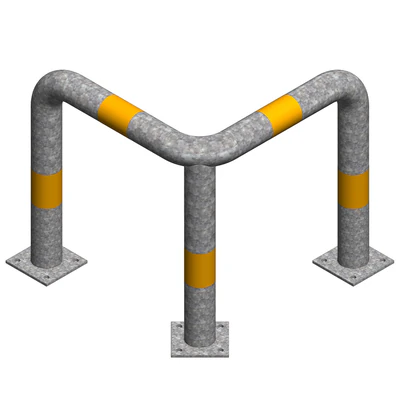
Corner protections protect walls, furniture and people, preventing accidents and damage in any space.
How to choose corner protections
The products in this category cover dimensions between 3 mm and 1200 mm. Check the size, material and compatibility with your application in each product file.
In addition, for orders and questions, the Blockator.ro team offers delivery throughout the country and technical advice.
What Protections For Corners Are
Corner protections safety elements intended to prevent strikes, scratches and accidents on sharp corners of walls, furniture or equipment. They are used in residential, commercial or industrial spaces and can be made of materials such as rubber, silicone, hard plastic, dense foam or light metal, each offering specific benefits according to needs.
Their aim is to create a safe environment, especially in areas with intense pedestrian traffic, children or sensitive equipment.
Why Corner Protections Are Important
- Accident prevention: reduce the risk of cutting or hitting sharp corners
- Protection of furniture and walls: prevent scratches and damage over time
- Organisation of spaces: visual signals the corners and boundaries of the area
- Adaptability: can be used in homes, offices, schools, hospitals or warehouses
User benefits:
- Safety for children and adults
- Reduction of material damage and repair costs
- Simple and fast installation
- Discrete or visible design according to preferences
Where to use
Residences and residential spaces
- the corners of furniture or walls in children's rooms
- kitchens and hallways with intense traffic
- protection for steps or corridors
Offices and commercial spaces
- furniture, shelves and walls corners
- public access areas or pedestrian routes
- prevention of employee and customer accidents
Industrial spaces and warehouses
- protection of equipment and machinery
- Prevention of hit with carriages, stackers or other internal vehicles
- clear delimitation of high risk areas
How it works
Corner protections work through Impact absorption and creating a smooth surface at the edges, preventing direct contact with the hard corners.
- Soft material (rubber, silicon) attenuates shock
- Rigid material (hard plastic or metal) protects sensitive objects from heavy hits
- Fixing is made by strong adhesive, screws or modular re-use systems
Types of corner protections
1. Rubber or silicone protection
- soft, absorbing shocks
- ideal for rooms with children or areas with pedestrian traffic
- Easy to mount on furniture and walls
2. Hard plastic protections
- strong impact resistance
- suitable for offices, commercial or industrial spaces
- available in visible or discrete variants
3. Density foam protection
- absorbing medium shocks
- ideal for the protection of temporary furniture or easy to move equipment
- Reusable and modular
4. Metal or protective layer protection
- extremely resistant
- used for industrial equipment or infrastructure
- may be painted or covered with a reflective layer
Relevant differences between options
| Type |
Material |
Flexibility |
Ideal for |
| Cauciuc/Silicon |
Soft |
Sea |
Children, pedestrian traffic |
| Hard plastic |
Rigid |
Small |
Offices, commercial spaces |
| Dense foam |
Environment |
Average |
Temporary furniture, warehouses |
| Metal |
Very rigid |
Small |
Industrial equipment |
How to choose the right protections
- Set the purpose – safety of children, furniture or equipment
- Analyze the environment – internal, external, intense or reduced traffic
- Choose the right material – Soft for absorption, rigid for severe protection
- Check the visibility – contrasting or transparent colours
- Choose for the assembly type – permanent, modular or adhesive
Common errors
- assembly on inappropriate or hard-to-access corners
- choosing a material unsuitable for traffic or impact
- lack of visual elements to prevent accidents
- non-updating of the site with changing pedestrian traffic
Professional recommendations
- Combines visual marking and signalling protections in areas with intense traffic
- check their condition and their fixation periodically
- opt for impact and wear resistant solutions
- Plan installation according to actual traffic flows
Maintenance and good practice
- regular cleaning to maintain visibility and hygiene
- periodic verification of adhesives or screws
- replacement of damaged protections for maximum safety
- adaptation of the location to change the mobility or traffic flow
Long-term benefits
- accident reduction and material damage
- effective protection For walls, furniture and equipment
- Clear organisation of space
- compliance with safety rules in dwellings, offices or public spaces
- reduced costs for repairs and maintenance
Conclusion
Corner protections are essential for human safety and infrastructure protection, offering practical solutions, easy to install and adaptable to any type of space. The right choice, professional setting and regular maintenance ensure a safe and organised long-term environment.