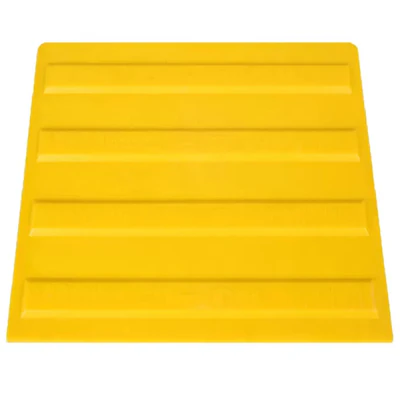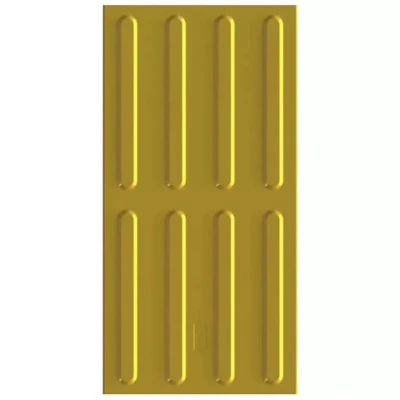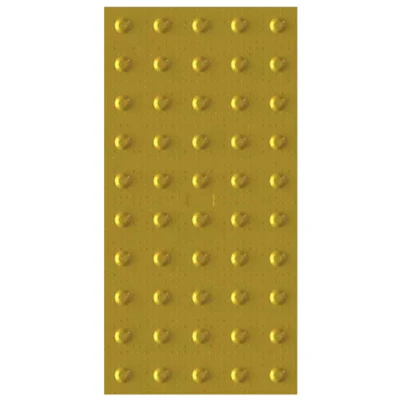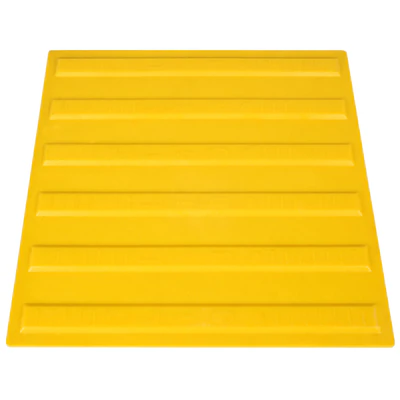
Tactile marking for visually impaired people STOP
27,01 lei
In stock
in6 variant
Request a quote – Tactile marking for visually impaired people STOP See options – Tactile marking for visually impaired people STOPWe use strictly necessary cookies to run the site and, only with your consent, to remember viewed products, for visit statistics and for YouTube video playback. You can change your mind at any time from “Cookie settings” at the bottom of the page. Cookie policy
Technical advice: 021 450 60 70 · Fast delivery nationwide · Blog
Systems of orientating pedestrian traffic ensure clear guidance of pedestrians and reduce the risk of accidents in public areas and parking lots.
27,01 lei
In stock
in6 variant
Request a quote – Tactile marking for visually impaired people STOP See options – Tactile marking for visually impaired people STOP218,99 lei
outOut of stock
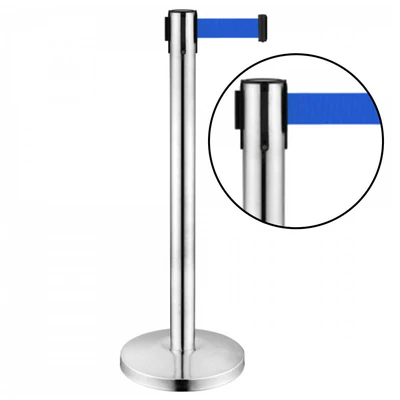
Request a quote – Guide and delimiting post, chromat, with retractable tape, blue, 3 meters See options – Guide and delimiting post, chromat, with retractable tape, blue, 3 meters20,00 lei
In stock at supplier
sup6 variant
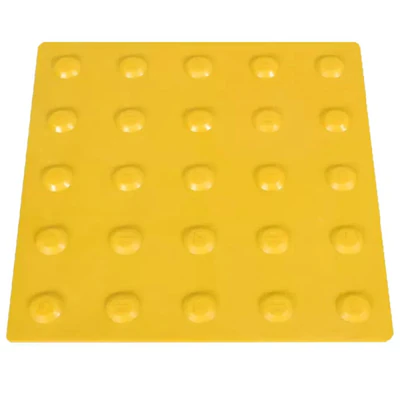
Request a quote – Touch mark for visually impaired people 300x300 mm See options – Touch mark for visually impaired people 300x300 mm158,99 lei
Made to order
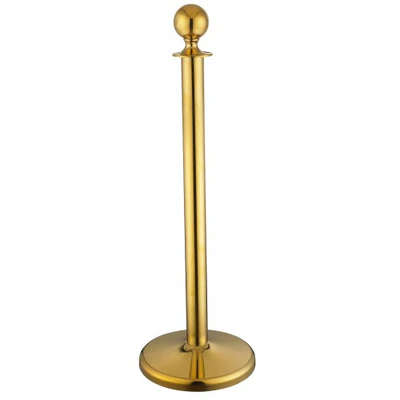
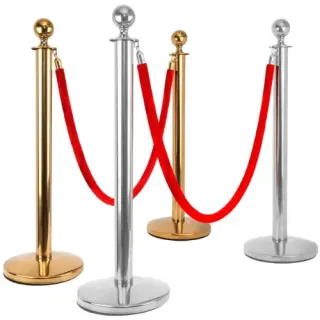
ord Request a quote – Gold queue post with ball top, for rope See options – Gold queue post with ball top, for rope76,00 lei
In stock
in6 variant
Request a quote – Touch mark for visually impaired people 300x600 mm See options – Touch mark for visually impaired people 300x600 mm64,00 lei
In stock
in6 variant
Request a quote – Touch mark for visually impaired people STOP 300x600 mm See options – Touch mark for visually impaired people STOP 300x600 mm361,40 lei
Made to order
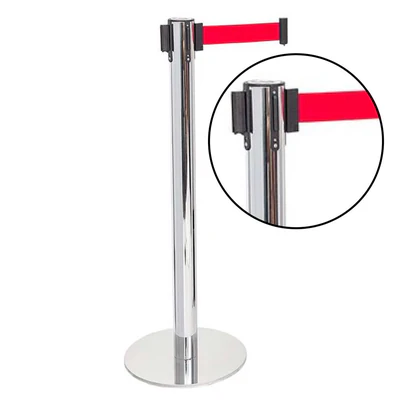
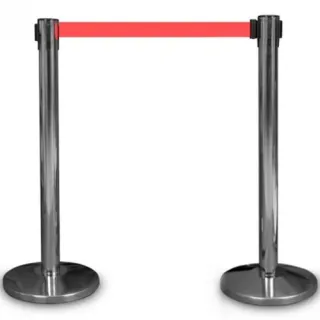
ord Request a quote – Guide and delimiting station, chromed, with retractable tape, red, 3 metres See options – Guide and delimiting station, chromed, with retractable tape, red, 3 metres158,99 lei
Made to order
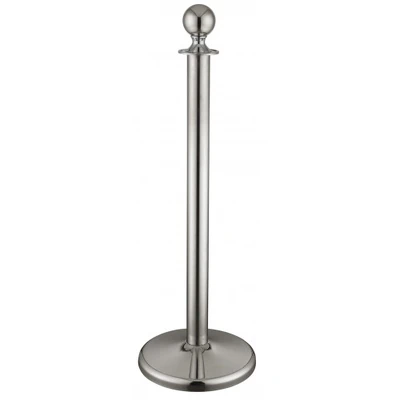
ord Request a quote – Spherical-head silver guide and delineation post for cord See options – Spherical-head silver guide and delineation post for cord27,01 lei
In stock
in6 variant
Request a quote – Touch mark for visually impaired people 400x400 mm See options – Touch mark for visually impaired people 400x400 mm158,99 lei
Made to order
ord Request a quote – Guide and delimitation post, chromed, with retractable band, red, 3 meters See options – Guide and delimitation post, chromed, with retractable band, red, 3 meters550,01 lei
In stock
in Request a quote – Sticker for tactile markings See options – Sticker for tactile markings149,00 lei
In stock
in Request a quote – Stoppers tape with wall-locking mechanism, red color, length 3 meters See options – Stoppers tape with wall-locking mechanism, red color, length 3 meters39,00 lei
Made to order
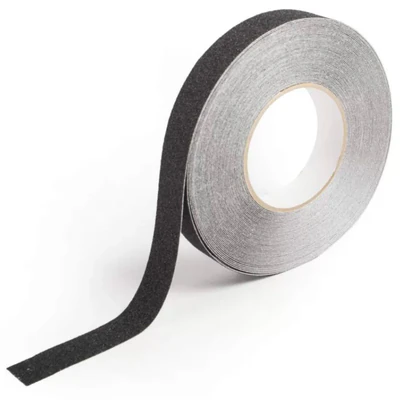
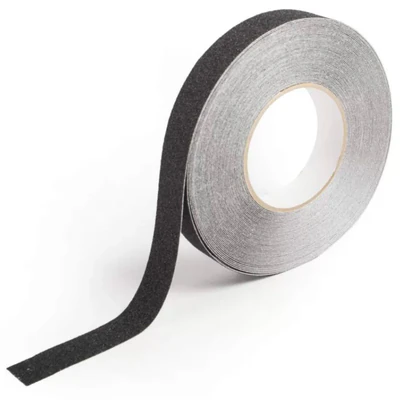
ord Request a quote – Black self-adhesive anti-slip tape, 2.5 cm x 25 m See options – Black self-adhesive anti-slip tape, 2.5 cm x 25 m59,00 lei
Made to order
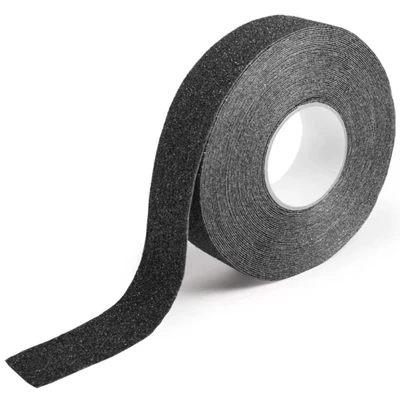
ord Request a quote – Anti-slip black tape, 5 cm x 25 m See options – Anti-slip black tape, 5 cm x 25 m109,00 lei
Made to order
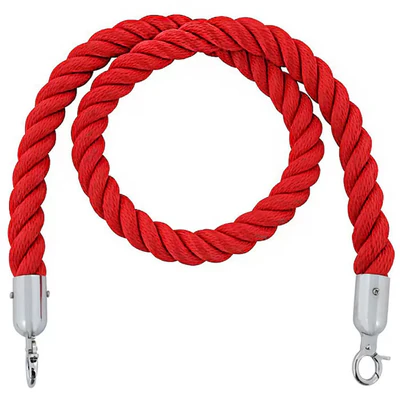
ord Request a quote – Red velvet cord with silver hook See options – Red velvet cord with silver hook109,00 lei
Made to order
ord Request a quote – Red-wrapped cord with gold hook See options – Red-wrapped cord with gold hook19,00 lei
outOut of stock
Request a quote – Anti-slip sheet for steps, 2.5 cm x 15 m See options – Anti-slip sheet for steps, 2.5 cm x 15 m89,00 lei
In stock
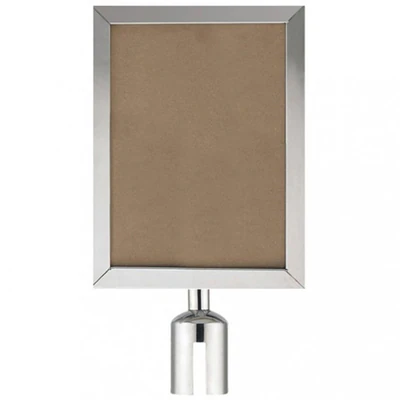
in Request a quote – Panel A4 for guidance posts See options – Panel A4 for guidance posts2.032,80 lei
In stock at supplier
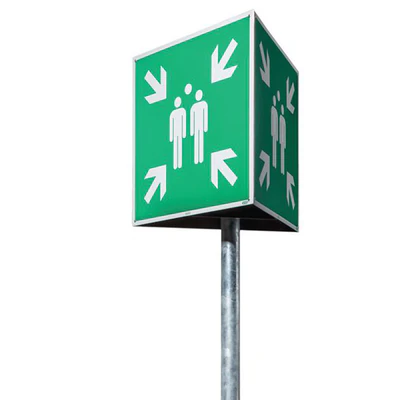
sup Request a quote – Panel cubic point of assembly in case of emergency 300x300 mm aluminium Nentra model CAZ 301 exterior See options – Panel cubic point of assembly in case of emergency 300x300 mm aluminium Nentra model CAZ 301 exterior1.742,40 lei
In stock at supplier
sup Request a quote – Panel cubic point of assembly in case of emergency 300x300 mm steel dye Nentra model CAZ 302 exterior See options – Panel cubic point of assembly in case of emergency 300x300 mm steel dye Nentra model CAZ 302 exterior2.178,00 lei
In stock at supplier
sup Request a quote – Panel for emergency assembly space 400x400 mm aluminium Nentra model CAZ 401 outdoor See options – Panel for emergency assembly space 400x400 mm aluminium Nentra model CAZ 401 outdoor1.887,60 lei
In stock at supplier
sup Request a quote – Panel cubic place of assembly in case of emergency 400x400 mm steel paint Nentra model CAZ 402 exterior See options – Panel cubic place of assembly in case of emergency 400x400 mm steel paint Nentra model CAZ 402 exterior1.742,40 lei
In stock at supplier
sup Request a quote – Triangle pressure indicator panel assembly place in case of emergency 300x300x300 mm aluminium Nentra model PAZ 301 exterior See options – Triangle pressure indicator panel assembly place in case of emergency 300x300x300 mm aluminium Nentra model PAZ 301 exteriorWe didn't find any products for the chosen filters.
Products in this category cover dimensions between 300 mm and 600 mm. Check the size, material and compatibility with your application in each product file.
In addition, for orders and questions, the Blockator.ro team offers delivery throughout the country and technical advice.
Orientation of pedestrian traffic includes solutions and devices that facilitate guiding people on safe paths and prevent accidents in areas with intense pedestrian flow. This can be achieved through visual signalling, markings, barriers, directional posts or information panels, which clearly indicates the direction of travel and delineates the routes of movement.
By implementing these systems, pedestrians can move around organised, avoiding crowding, collisions and accidental entry into hazardous or restricted areas.
Pedestrian traffic guidance systems operate through visual and physical guidance of pedestrians:
This combination allows logical paths, with clear visibility, even in low light or agglomeration conditions.
"What guidance systems are best suited for parking?
Combining directional pillars with ground markings provides clear visibility and guidance.
"Can they be used for temporary events?
Yes, modular and mobile systems allow rapid adjustment of pedestrian paths.
"What materials provide durability and visibility?
PVC for temporary flexibility, aluminium or metal for permanent solutions, with reflectors for night.
"How is pedestrian agglomeration avoided?
Through clear markings, directional posts and flow delineation, intuitive and safe routes are created.
Systems of orientating pedestrian traffic are essential for safety, organisation and effective guidance pedestrians in urban areas, parks, commercial and industrial areas. Correct choice of material, type of guide and assembly optimizes pedestrian flow, reduces accidents and provides a safe and accessible environment for all users.
They not only protect people, but also facilitate orderly circulation, preventing confusion and incidents in any area with intense pedestrian traffic.
Get our offers and news once a month. You can unsubscribe at any time.