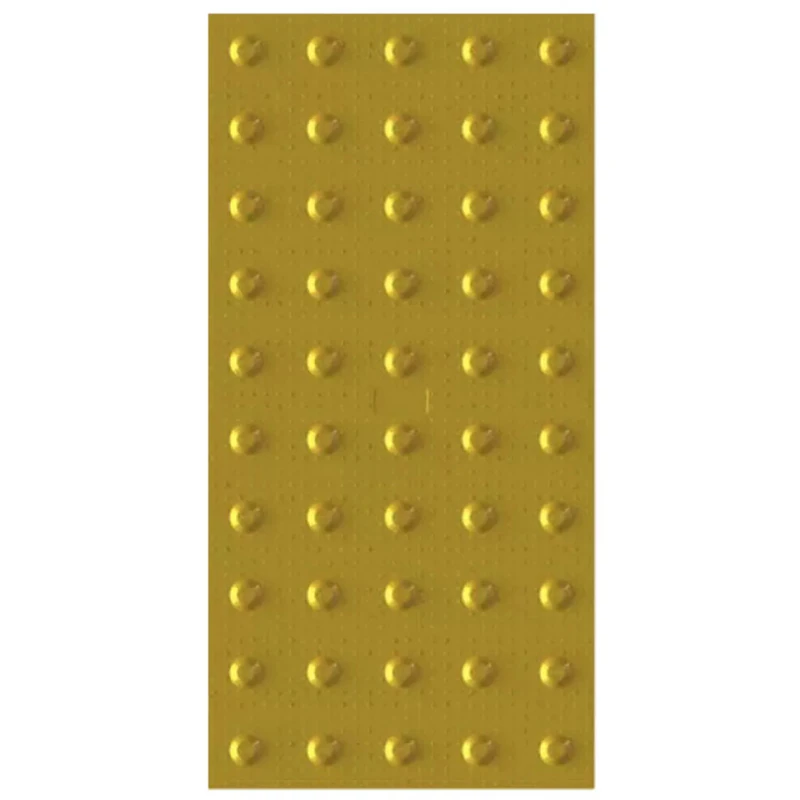
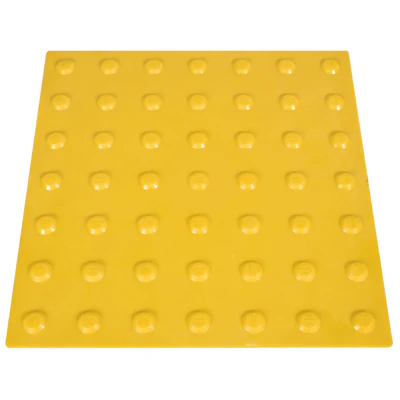
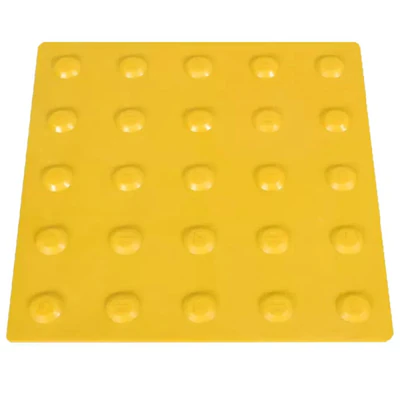
In a modern, safe and accessible space, Touch mark for visually odded people STOP 300x600 mm It is no longer a simple accessory, but an essential component of infrastructure. This type of tactile warning pavement is specially designed to convey a clear message: stop, follow a danger or a change of direction.
Whether we are talking about public buildings, shopping centres, railway stations, airports or private spaces with intense traffic, using a STOP touch mark 300x600 mm contributes directly to the creation of an inclusive environment, in accordance with modern accessibility standards.
What STOP Touch Marking Is and Why It's Essential
The STOP touch marking is a specially designed plate with prominent relief (trunk dots type), detectable both with the white stick and through the sole. Size of 300x600 mm provides an optimal surface area for rapid perception and immediate reaction.
Main role of tactile warning marking
- Signal Dangerous Areas
- Mark Stop Before Obstacles
- Indicate the beginning of the stairs or ramps
- Warning on Level Changes
Without these tactile systems, the orientation of people with impaired vision becomes difficult and risky.
Technical specifications of the STOP 300x600 mm touch marking
Dimensions and format
- Length: 600 mm
- Width: 300 mm
- Thickness: adapted for intensive pedestrian traffic
Structure and design
- Surface area with Touch buttons (gifts)
- Strong visual contrast (yellow/other standard colors)
- Design according to accessibility rules
Material available
- Polyurethane (PU) – flexible, durable
- Industrial PVC – sustainable and economical
- Stainless steel – for premium spaces
- Aluminium – easy and durable
Installation
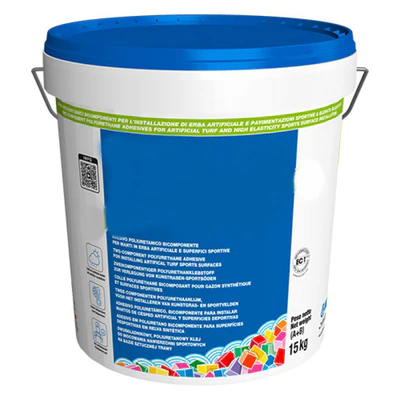
- Polyurethane adhesive glue
- Mechanical fixing (screws/dilutions)
- Application on concrete, gravel, granite, asphalt
Where to use STOP 300x600 mm touch tags
Public spaces and institutions
- The first and the first government institutions
- Hospitals and clinics
- Schools and universities
Commercial and business areas
- Malls and malls
- Office buildings
- Hotels and restaurants
Transport and infrastructure
- Subway stations
- Of a fat content, by weight, exceeding 1 %
- Airports
Private spaces
- Underground parking
- Residential complexes
- Industrial zone
Why the size 300x600 mm is the optimal choice
This dimension is not randomly chosen. It is the result of international standards that set the minimum area necessary for the touch signal to be perceived correctly.
Specific Advantages
- Cover larger than 300x300 mm
- Increased visibility
- Quick detection on the go
- Reducing the risk of accidents
Standardisation and compliance
Touch markings are regulated by strict standards:
- European accessibility rules
- Safety requirements for public spaces
- Regulations on visual and tactical contrast
Use of a tactile marking for visually impaired people STOP 300x600 mm contribute to compliance with the legislation on inclusion of persons with disabilities.
Direct commercial benefits for customers
- ✔ Increasing the level of safety of space
- ✔ Reduce the risk of accidents and litigation
- ✔ For the purposes of this Regulation, the following definitions shall apply:
- ✔ Improve the image of the company
- ✔ Create an accessible environment for all
- ✔ Optimize traffic flows
- ✔ Sustainable investment, minimum maintenance costs
Durability and durability in time
This tactile marking is designed for intensive use:
- Resistance to high pedestrian traffic
- Excellent behaviour at temperature variations
- Resistance to water, UV and chemicals
- Do not distort or lose your touch properties
Quick and efficient assembly
The installation is simple and fast, without major interventions:
Mounting step
- Cleaning of the surface
- Application of the adhesive
- Marking position
- Pressing and fixing
Result: a stable, safe and sustainable system.
Difference between STOP marking and directional marking
It's important to understand the difference:
- Mark STOP → Warning, stop
- Directional marking → guide, guide
This product is intended exclusively for use in the manufacture of reporting of risk areas.
How to choose the right tactile marking
Key factors
- Type of surface
- Traffic level
- Environment (internal/external)
- Need for Visual Contrast
The 300x600 mm range is recommended for critical areas.
FAQ – Frequently Asked Questions
1. Where is the STOP marking mounted?
Before stairs, crossings, obstacles or dangerous areas.
2. Is it legally binding?
In many cases, yes – for public buildings and publicly accessible spaces.
3. Can it be mounted outside?
Yes, the materials are weather resistant.
4. How long does it last?
Depending on the material, it may exceed 5–10 years.
5. Is it visible to people without disabilities?
Yes, visual contrast helps all users.
6. Can it be dismantled?
Yes, but it requires professional intervention.