Technical advice: 021 450 60 70 · Fast delivery nationwide · Blog

Blocator.ro
Offers
021 450 60 70 Contact

For companies and public institutions: purchasing via SEAP / SICAP details

Product categories
OffersSee discounts ›

Rigid posts

Rigid posts offer stability and protection for roads, parks and industrial areas, resisting heavy impact and traffic.

What you find in the category Posts rigidi

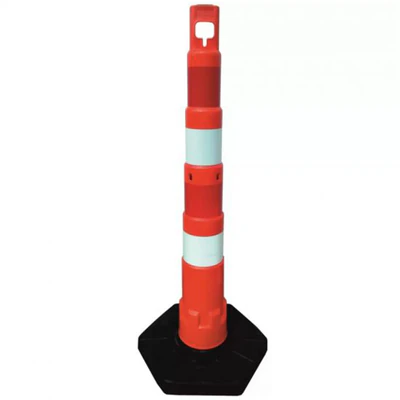
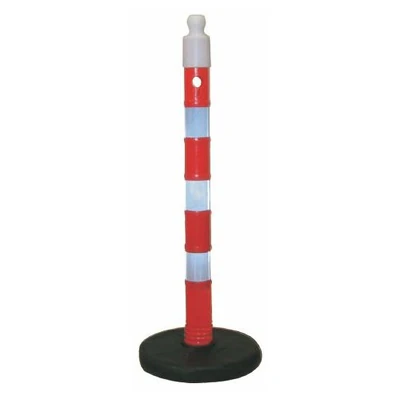
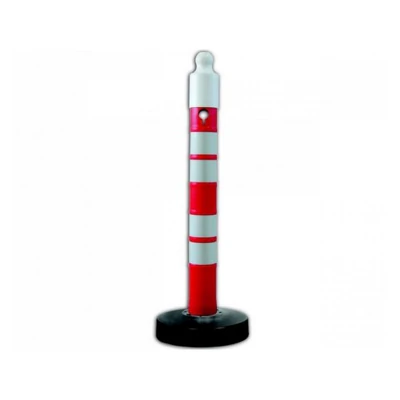
  • Mobile pillar – 2 variant
  • Stackable mobile pole with reflective strips

How to choose rigid pillars

The products in this category cover dimensions between 1100 mm and 1200 mm and loads up to 12 kg. Check the size, material and compatibility with your application in each product file.

In addition, for orders and questions, the Blockator.ro team offers delivery throughout the country and technical advice.

Ce sunt stalpii rigizi

Rigid heels are vertical protection and delimitation elements made of materials durable, such as galvanised steel, aluminium or concrete, designed to offer Stability and security in areas with traffic or pedestrian.

They are used to guide the circulation, mark restricted areas or protect infrastructure and pedestrians. Compared to flexible pillars, rigid poles are designed for Stronger impacts and requesting conditions.


Where to use

Road traffic and parking

  • delineation of circulation bands
  • protection of sensitive perimeters or parking spaces
  • Driving vehicles and pedestrians

Urban areas

  • Pedestrian areas and sidewalks
  • delimitation of safety zones in cities
  • protection of urban furniture and signalling

Industry and logistics

  • the delimitation of access routes for machinery
  • protection of buildings, stocks and equipment
  • resistance to repeated impacts and heavy traffic

How it works

Rigid heels work through creating a physical barrier stable and visible.

  • The form and the material shall ensure that: Impact absorption in the case of mild or moderate collisions
  • Mounting in fixed foundations or anchors gives them long-term stability
  • Design may include elemente reflectorizante sau vizibile pe timp de noapte for increased safety

Why they're important

  • Road and Pedestrian Safety – reduces the risk of accidents
  • Infrastructure protection – prevents damage to spaces and equipment
  • Durability and resistance – ideal for intense traffic or harsh weather conditions
  • Clarity and organisation – guide traffic and delineate critical areas

Existing types and variants

After material

  • Galvanized steel – high corrosion resistance and impact
  • Aluminium – easy and sustainable, ideal for urban environments
  • Concrete – Extremely shock-resistant and mechanically demanding

After Design

  • Simple, cylindrical posts – for general delimitations
  • Positions with reflectors or visible elements – increased safety at night
  • Posts with rounded heads or anti-impact pads – for pedestrian areas and parks

After use

  • Urban – pedestrian areas, sidewalks, parking lots
  • Car traffic – roads, turning senses, delimiting strips
  • Industrial – warehouses, halls, machine tracks

Relevant differences between options

  • Material – steel for durability, aluminium for ease and corrosion resistance
  • Assembly – fixed foundation for maximum resistance, temporary anchors for flexibility
  • Design – day/night visibility, additional safety elements

How to choose correctly

  1. Determines the environment of use – urban, intense traffic, industrial
  2. Choose the right material – durability vs. weight and ease of assembly
  3. Establish the necessary level of protection – easy or intense impact
  4. Verify visibility requirements – reflector or standard colour
  5. Plan the assembly – solid foundations or modular systems

Common errors

  • Choosing an undersized material for intensive traffic
  • Surface mounting or without suitable anchorage
  • Lack of reflector elements in dark areas
  • Too close to installation, limiting the normal flow of circulation
  • Neglect of maintenance and periodic inspection

Professional recommendations

  • Use posts with solid foundations in areas with heavy traffic
  • Understand visible and reflective elements for maximum safety
  • Combine rigid posts with Flexible posts in mixed areas for efficiency
  • Periodically check Material status and anchorage

Maintenance and good practice

  • Annually inspects integrity and stability
  • Cleansing dirt and deposits that can favor corrosion
  • Immediately replace damaged or hit stumps
  • Document and plan paths for future adaptations

Frequently asked questions

  • "Can it be used in parking lots?
    Yes, it provides clear delineation and protection for vehicles.

  • "What is the difference from flexible pillars?
    Rigid heels are more stable and resistant to strong impacts.

  • "Can they be mounted without foundation?
    Temporary variants exist, but for sustainability and safety we recommend solid foundations.

  • "How long does it last outside?
    Suitable materials, such as galvanised steel or aluminium, last for years even in harsh weather conditions.


Conclusion

Rigid heels are essential solutions for safety, protection and organisation of traffic in urban areas, parks and industrial areas. The correct choice of material, design and assembly ensures long-term sustainability, visibility and functionality, preventing accidents and infrastructure damage.

These posts are indispensable in any context where stability and protection are priorities, providing a balance between safety, durability and ease of use.

Subscribe to our newsletter and never miss a promotion

Get our offers and news once a month. You can unsubscribe at any time.
Cookie settings

Choose which categories you accept. Strictly necessary cookies are always active; the others start only with your consent and you can change them at any time. Cookie policy

They make the site work: shopping cart, favourites, customer account sign-in, form security and remembering your cookie choice. They cannot be disabled.

Remembers recently viewed products so you can find them easily. The data stays only in your browser.

Shows us which pages are visited and how the site is used, so we can improve it (Google Analytics).

Video clips played directly on YouTube (Google). When playing, YouTube can store data in the browser.