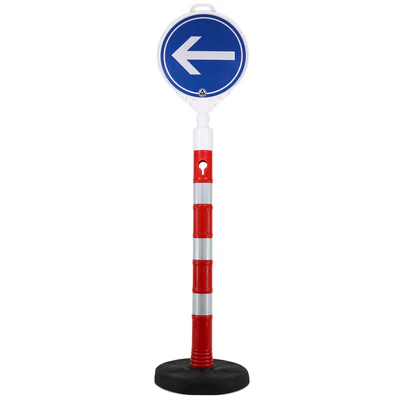
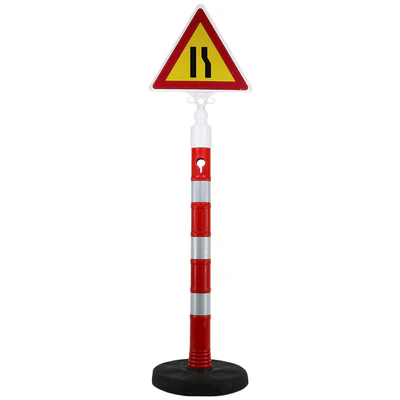
How to choose complementary
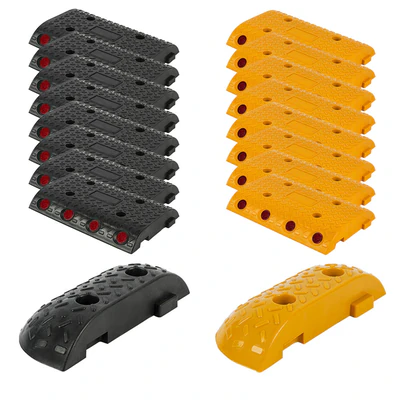
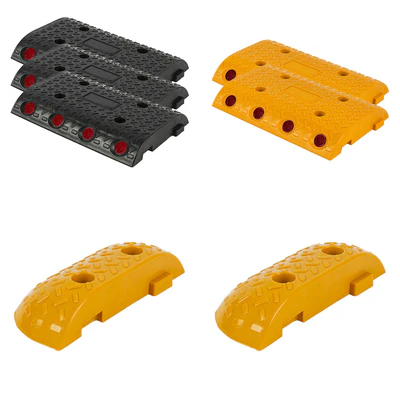
The products in this category cover dimensions between 45 mm and 1200 mm. You can compare variants from Ustun and MFK. Check the size, material and compatibility with your application in each product file.
In addition, for orders and questions, the Blockator.ro team offers delivery throughout the country and technical advice.
What are complementary
Complementary is a category of accessories, additional parts or additional components designed to support, complete or improve the functionality of existing equipment and systems. They can be used in various fields, from safety and protectionthe Industrial furniture, infrastructure or equipment.
These accessories may be Fixed or mobile, mechanical or electronic, adapted to fit perfectly with the main equipment. Their main purpose is to offer support, durability and additional safetywithout compromising the original functionality.
Why Complementaries Are Important
- Extended functionality: allow the main equipment to be used in several ways
- Increased safety: add physical or visual protection for users and equipment
- Increased durability: reduce wear of the main components by distributing the tasks
- Flexibility: adaptable for different situations and requirements
Real benefits for the user:
- Simplifies the use of equipment
- Improving operational efficiency
- Reduce the risk of accidents or damage
- Allows customization and adaptation of space or system
Where to use
In infrastructure and urban planning
- protection for pedestrian or carousable areas
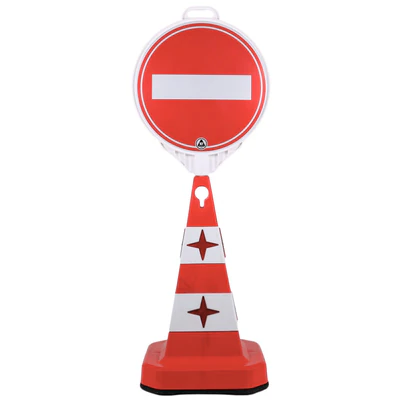
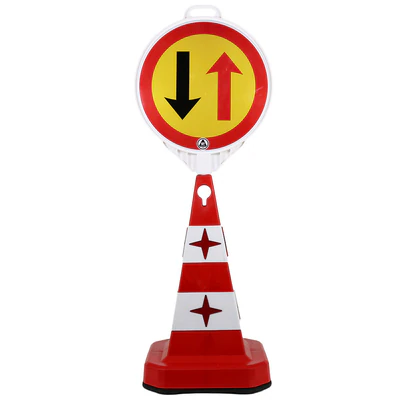
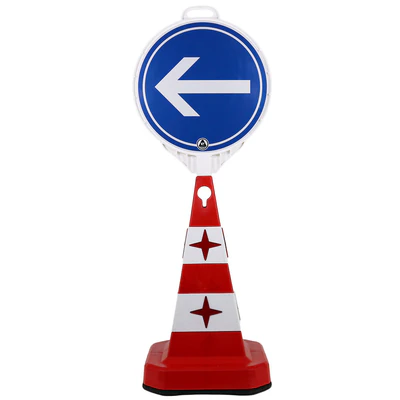
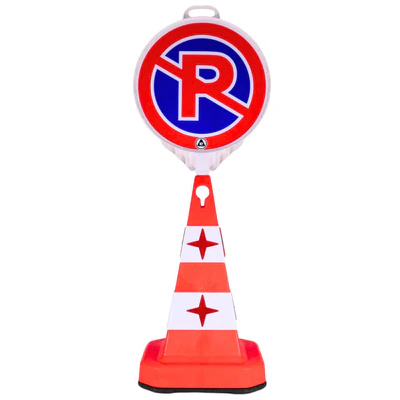
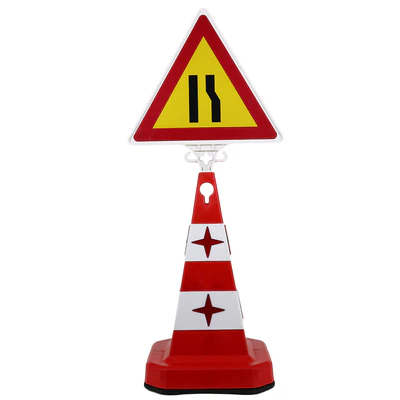
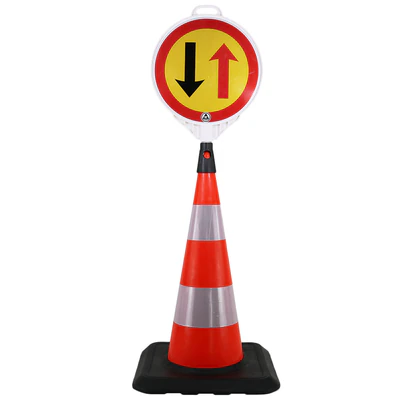
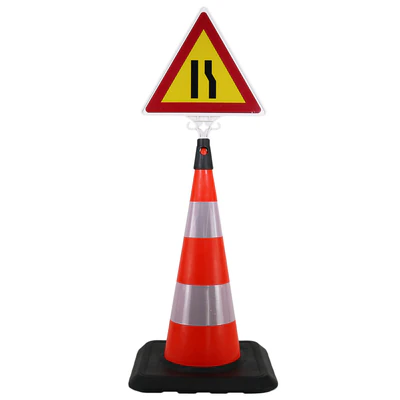
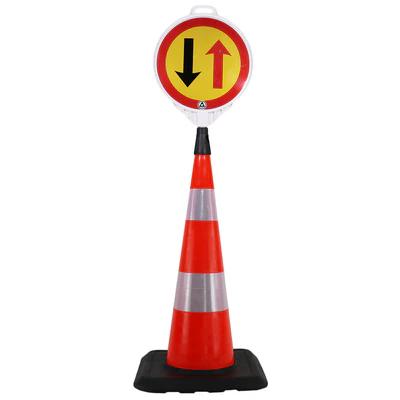
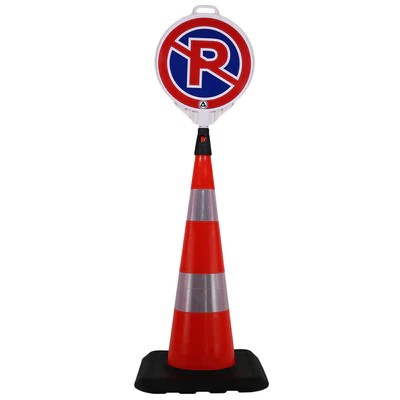
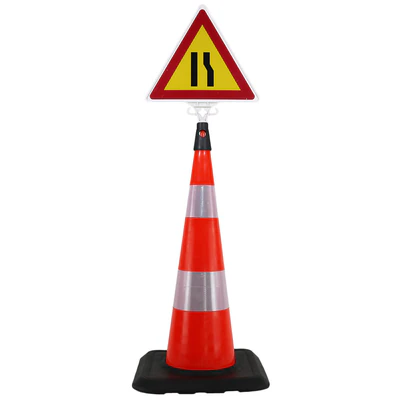
- Accessories for signalling posts, ballads or delimiters
- Supports for panels or barriers
In industry and logistics
- additional parts for handling and storage equipment
- Accessories for retractable posts or access control systems
- Safety and protective components for machinery
In commercial and residential spaces
- accessories for modular furniture
- additional protective elements of corners or walls
- Supports and fasteners for temporary or permanent systems
How it works
Complementary does not operate independently, Supporting Main Equipment, by completing or improving its functions. They may be:
- Fixed – permanently mounted, for protection or support
- Retractable – activated or moved as needed, as in the case of retractable bollards
- Modulation – easily added and removed for flexibility
- Visible or marked – with reflective safety colours or signals
Complementary types
1. Protective parts
- protections for corners, posts or margins
- amortisation and damage prevention elements
2. Fixing brackets and accessories
- clamps, screws, bases and adapters
- Designed for fast and safe installation
3. Modular and mobile components
- extensions or adapters for posts, bollards, barriers
- may be withdrawn or adjusted according to traffic or use
4. Signalling and visibility
- reflective strips, contrasting colors, LEDs
- useful for pedestrian safety and traffic visibility
Relevant differences between options
| Type |
Main function |
Material |
Ideal for |
| Protection |
Prevention of damage |
Hard plastic, rubber |
Corners, edges, walls |
| Support |
Fixation and stability |
Metal, stainless steel |
Posts, barriers, equipment |
| Modulation |
Extension and flexibility |
Steel, aluminium |
Accessories for retractable equipment |
| Signing |
Visibility and warning |
PVC, metal with reflective strips |
Urban and industrial areas |
How to choose the right complements
- Analyze needs – Additional protection, support, visibility or functionality
- Determines compatibility – check that it is integrated with the main equipment
- Choose the right material – plastic for flexibility, metal for durability
- Check the installation mode — fixed or mobile, simple or automated
- Ensures visibility and safety – colours, reflective strips or LED
Common errors
- selection of a piece incompatible with the main equipment
- mounting without taking into account visibility or access
- neglecting maintenance of components
- use of a temporary solution for intensive traffic or critical areas
Professional recommendations
- Combines protection components with visibility and signalling
- periodically verify the integrity and functionality of the parts
- uses modular solutions for adaptability and flexibility
- integrate complementary systems with the main mechanisms for maximum efficiency
Maintenance and good practice
- regular cleaning and verification of fastening elements
- anointing of mobile mechanisms, if applicable
- adaptation and reconfiguration of components for traffic events or changes
- replacement of worn parts to maintain functionality and safety
Long-term benefits
- Extended functionality for existing equipment and systems
- Increased protection for users and infrastructure
- Flexibility and adaptability in different scenarios
- Durability and reduced maintenance
- Safety and compliance with applicable rules and standards
Conclusion
Complementary are essential elements that complement and improve the functionality of existing equipment and systems. The right choice, professional installation and regular maintenance ensures a safe, efficient and adapted environment for real needs, whether we talk about urban, industrial or residential areas.