How to choose protection pillars
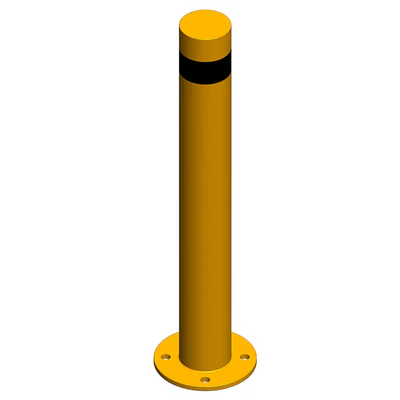
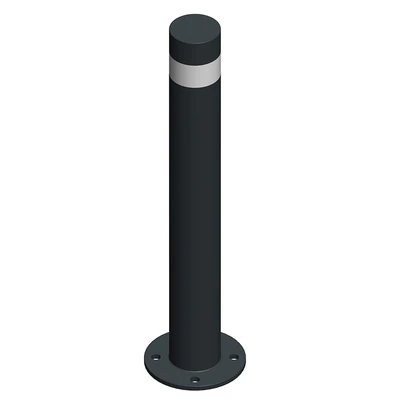
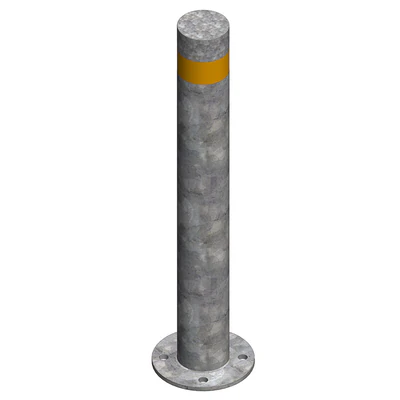
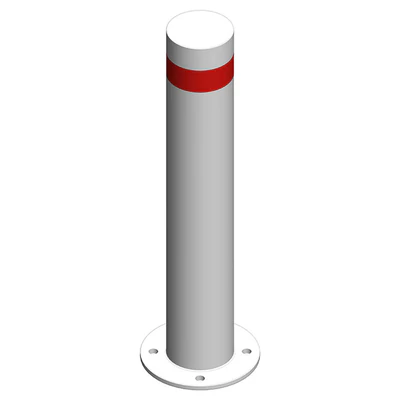
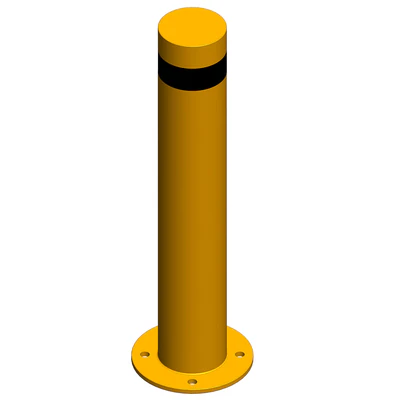
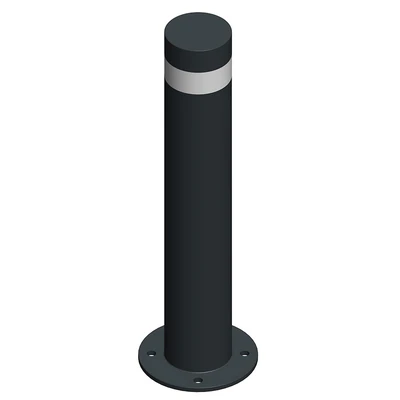
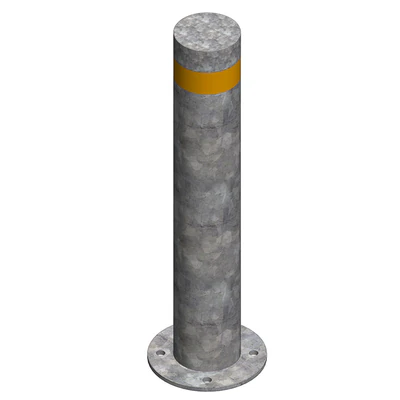
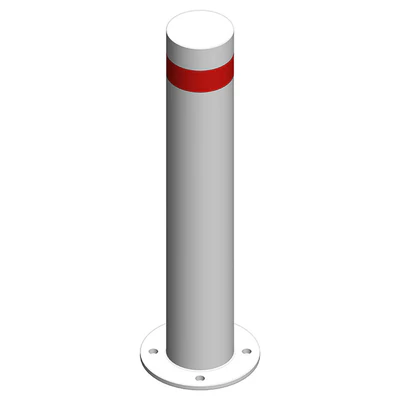
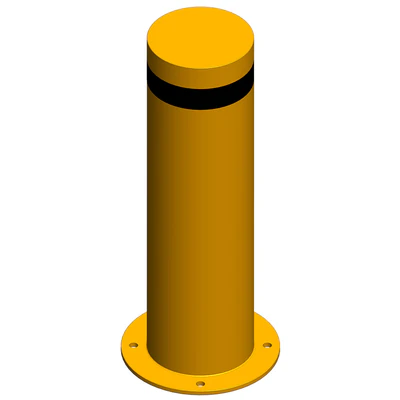
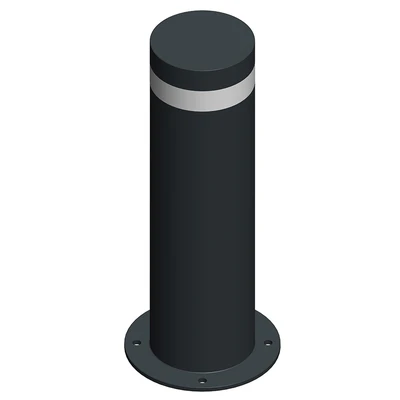
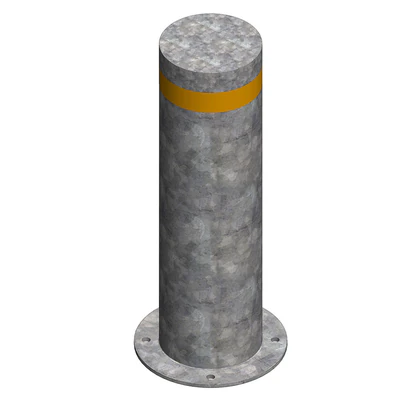
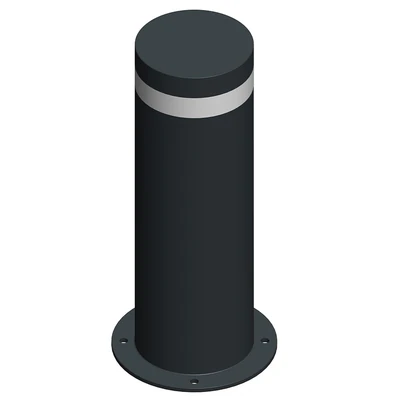
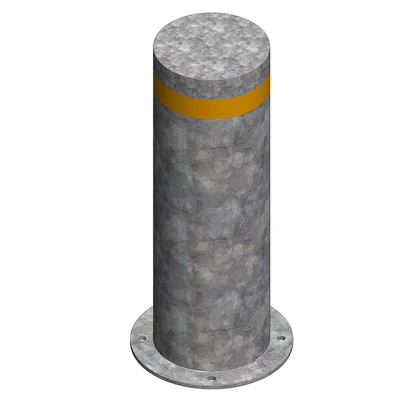
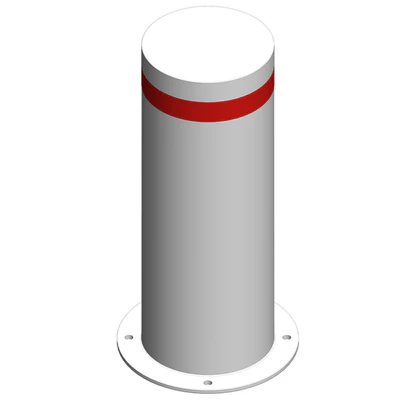
The products in this category cover dimensions between 3 mm and 4 mm. You can compare OEM and ONSEC variants. Check the size, material and compatibility with your application in each product file.
In addition, for orders and questions, the Blockator.ro team offers delivery throughout the country and technical advice.
What are protective pillars
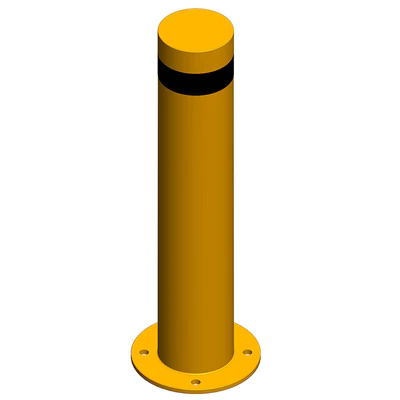
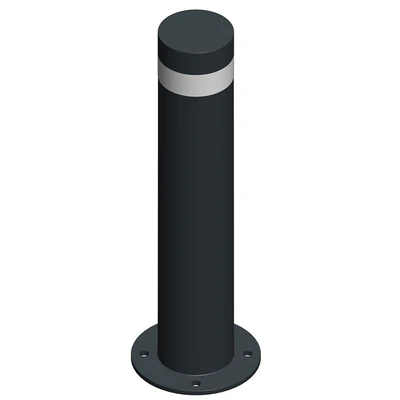
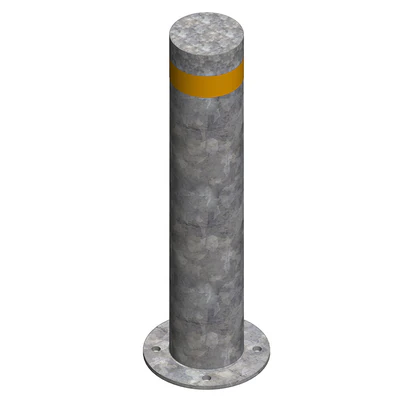
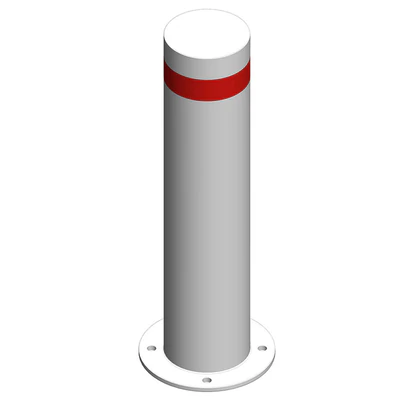
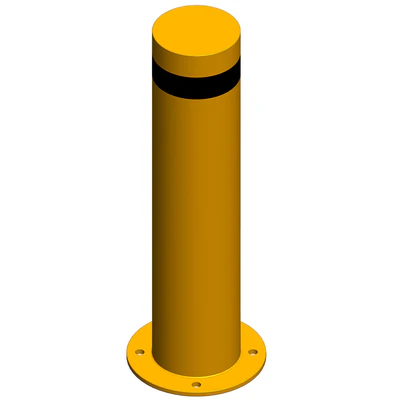
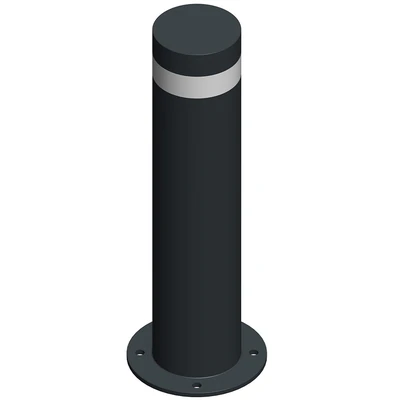
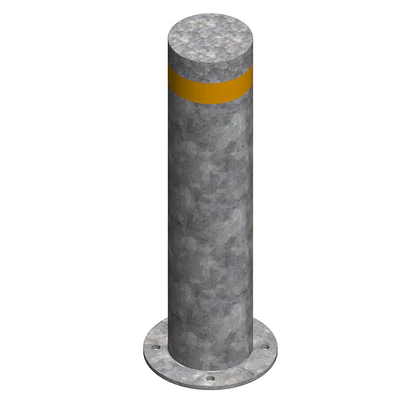
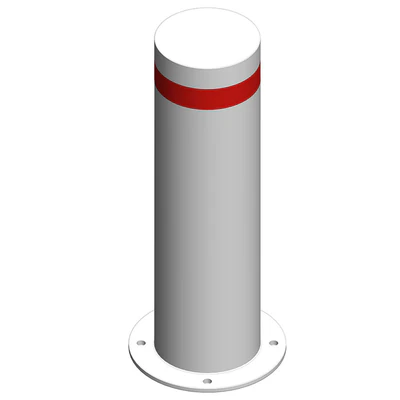
Protective steppes are vertical elements used to guide and protect the traffic and pedestrian, as well as for the delimitation of high risk areas. They can be permanent or portable and are made of impact-resistant materials and weatherings, such as Steel, aluminium, PVC or rubber.
Their main role is collision prevention, the clear delimitation of spaces and the orientation of traffic participants, while providing visibility and safety.
Importance of protective pillars
The correct use of the protective pillars shall contribute to:
- Road and Pedestrian Safety
- Clear organisation of parks, sidewalks and yards
- prevention of infrastructure and vehicle damage
- compliance with safety and traffic legislation
Actual benefits:
- prevention of minor accidents and collisions
- clear delimitation of risk spaces
- increasing the visibility and orientation of traffic participants
- adaptability to different environments and conditions
Where to use
Urban areas
- sidewalks and pedestrian alleys
- parking spaces and underground parking spaces
- areas with self-propelled mixed traffic
Shipyards and industrial areas
- the definition of working perimeters
- protection of machinery and personnel
- Marking of vehicle and pedestrian tracks
Events and Temporary Areas
- festivals, fairs and sports competitions
- temporary reconfiguration of movement
- delimitation of safe pedestrian spaces
How it works
Protective pillars create visible physical barriers, direct traffic and prevent unauthorised access in certain areas. They shall operate by:
- Quick installation and secure fixing in the ground or on modular surfaces
- reflecting or painting in visible colours (portocalium, yellow)
- Other equipment: cables, chains, bands or separators
Simple example: a post placed on the edge of the sidewalk protects pedestrians from accidental vehicle passage.
Types of protection posts
1. Permanent posts
- fixed permanently in concrete or asphalt
- high impact resistance
- used in urban areas and busy roads
2. Mobile or portable posts
- Easy to move and reconfigure
- ideals for construction, temporary events
- Flexible, absorbing minor shocks
3. Modular posts
- combination between fixed and mobile
- adaptable to variable spaces (parks, alleys)
- Easy to extend or reconfigure
4. Reflectorization posts
- visible at night or under reduced visibility
- increase road safety
Differences between options
| Type |
Resistance |
Mobility |
Ideal for |
| Permanent |
Lifted |
No, I don't |
Urban roads, public parking |
| Mobile / portable |
Average |
Yes |
Shipyards, temporary events |
| Modular |
Medium-high |
Partial |
Parks, adaptive shopping areas |
| Reflecting |
Average |
Yes |
Areas with reduced visibility, night |
How to choose the correct protection pillars
- Determines purpose – permanent or temporary
- Analyze traffic type – car, pedestrian, mixed
- Choose the right material – Steel, aluminium, PVC or rubber
- Check the visibility – colours and reflectors
- Consider flexibility – modular vs. fixed
Common errors
- Choosing an inappropriate post for the type of traffic
- inadequate or unsecured installation
- absence of visible night elements or unfavourable conditions
- failure to adapt the solution to the actual traffic flow
Professional recommendations
- Combines pillars with other visual equipment for maximum safety
- plan location based on actual flows
- periodically check the sts' condition and stability
- opt for durable and weather resistant solutions
Maintenance and good practice
- regular cleaning to maintain visibility
- verification of fixation and replacement of damaged items
- adaptation of the location to change the traffic flow
- preventive maintenance for long-term sustainability and safety
Long-term benefits
- increased safety For pedestrians and vehicles
- clear organisation of public and private spaces
- prevention of collisions and minor incidents
- compliance with legal and safety standards
- reduction of costs of repairs and compensation
Conclusion
Protective steppes are essential for space delimitation, traffic protection and accident prevention. Correct choice, professional installation and regular maintenance ensure safety, visibility and efficient organisation in any road, urban or industrial environment.