Arc defences: how to protect shelves, hydrants and ducts
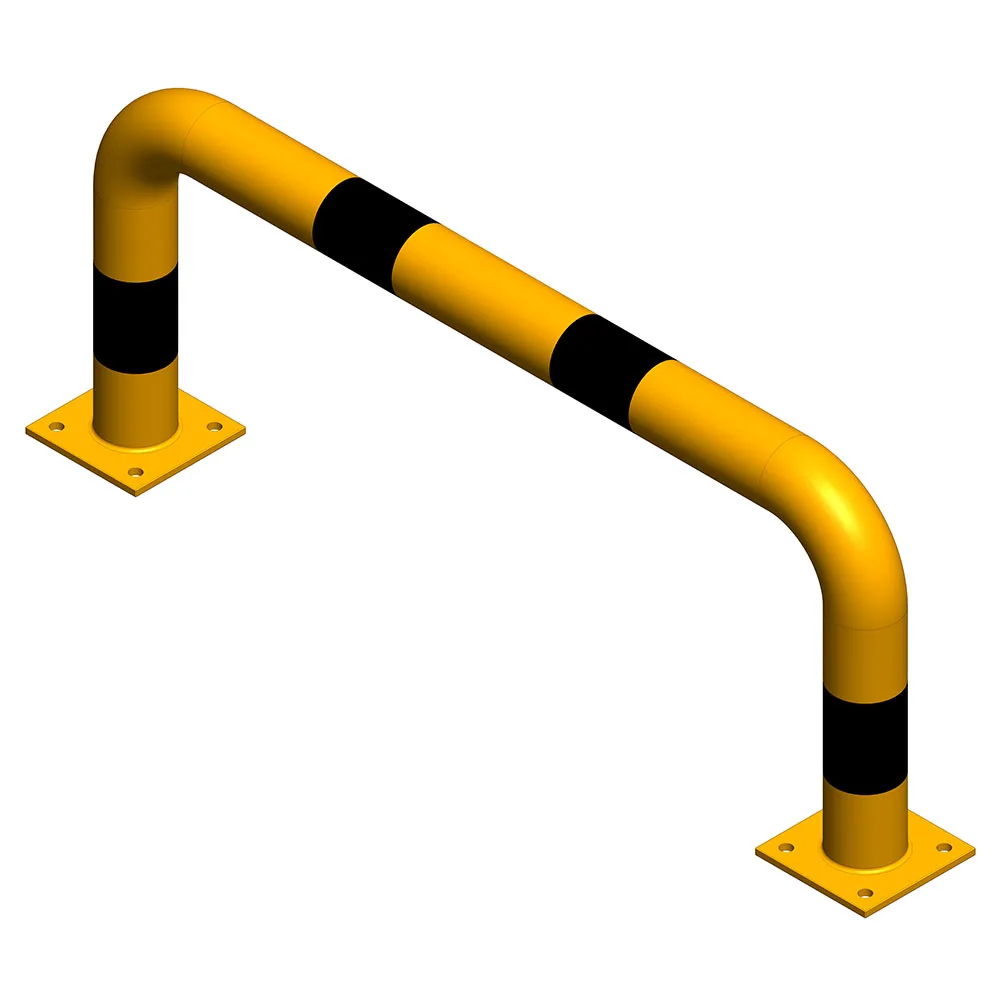
A shield type arc holds the stacker and pallet at a distance from the sensitive points in the hall: shelf heads, hydrants, ducts or electrical boards. The metal bow, anchored in the wall and painted in warning colors, takes the small blows daily and shows clearly where the obstacle begins.
In short: measure the object, choose the width and height of the arc, then the pipe 60.3 or 76.1 mm after traffic in the area.
Do you need help choosing?
Tell us what you need and we'll send you the offer on the same working day.
A well-chosen protection costs a little compared to a repair to a shelf or a pipe. The metal arches visually delimit the area, stop direct contact and are easily replaced after an impact. Choose the size after the protected object, the color after the visual code in the warehouse and the pipe diameter after the machines passing through it. You find all models, from 400x400 mm to 1800x1200 mm, in the Protector category.
O arc type protectors Protects fixed points from a robe, where they pass daily stacking, palleting or self-utilization. Shelf heads, hydrants and pipes often receive small but repeated hits. Therefore, a metal arc anchored in the floor takes first contact. In addition, the warning colors show from a distance where the obstacle is.
What's an arc-type defense and where you use it
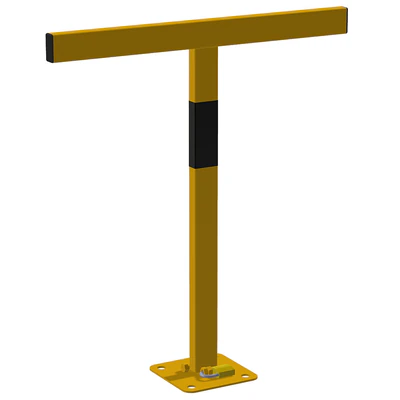
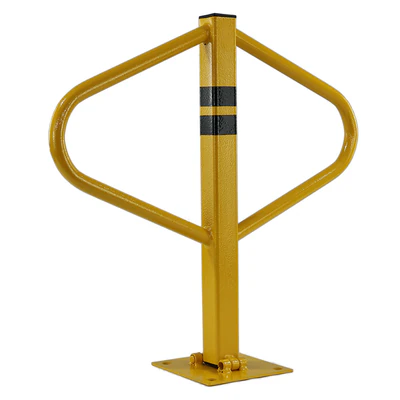
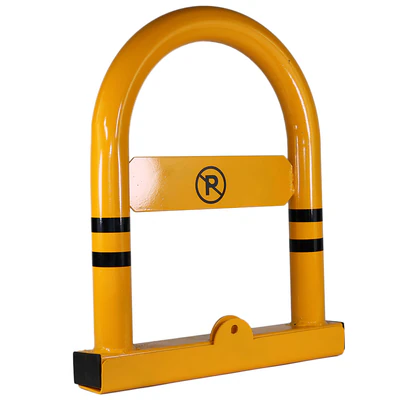
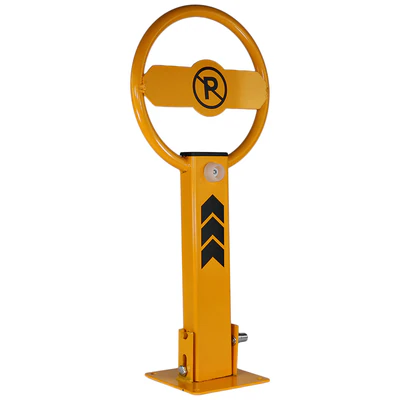
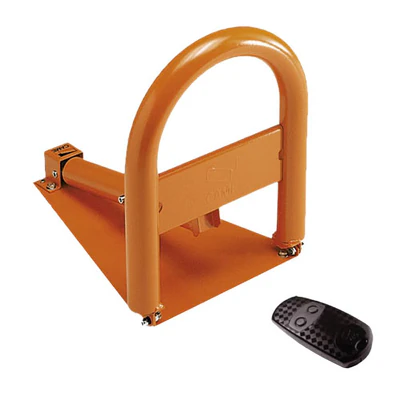
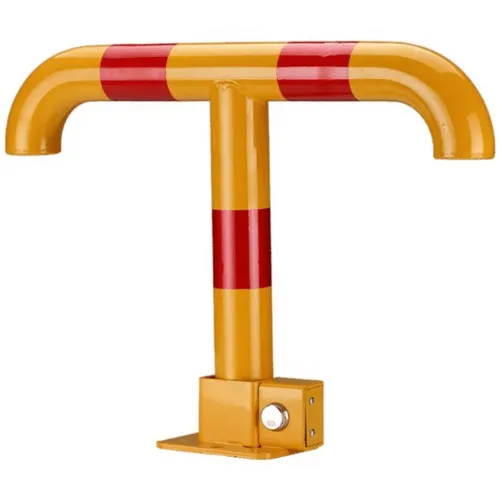
Practically, we're talking about a U-shaped bent metal pipe, with head grips. The manufacturer paints it in warning colors, such as yellow with black or white strips with reflective red strips. You find zinc-plated variants with yellow bands, as well as grey models with white bands. Thus, you choose the aspect by the visual code that you already use in the warehouse.
Here are the places where a archer does his best:
- the heads of palletising shelves at the intersection of colours;
- internal hydrants and fire pickets;
- gas, water or compressed air pipes falling on the wall;
- electrical boards and industrial sockets;
- the heels of the sectional and access doors;
- the corners of the container-type offices in the hall.
Real dimensions: what is 400x400 or 800x1000
Each arch type defense has two dimensions, in millimetres, and the diameter of the pipe. For example, 400x400 mm defense of 60.3 mm pipe cover a narrow object, such as a hydrant or a pipe column. Instead, model 1200x400 mm Stay down, but cover a long front, at the wheel level.
High models, as well as 800x1000 mm of pipe 76,1 mm or galvanized version 1800x1200 mm, defends the upper part of the object. However, check the product file before ordering, as it matters which quota is the width and which height.
Pipe diameter: 60.3 mm or 76.1 mm
The diameter says how massive the structure remains. The 60.3 mm pipe fits for pallet trucks, carriages and easy traffic. On the other hand, the 76.1 mm pipe offers a more generous section for the colour with the stackers. Especially at the intersections, where the machines turn closely, we recommend the larger section.
How to choose a shield type arc from the protected object
First, measure the width of the object and add a margin on each side. Then, set the height you need. A wall hydrant requires a high bow, while a shelf leg needs especially protection down. Later, you look at the space left on the aisle, because the bow must not narrow the passage.
- narrow and low object – For example, a tap or a column: 400x400 mm;
- Long front at wheel level – like an office wall: 1200x400 mm or 1600x400 mm;
- High and wide object – means an electric painting or a door: 800x1000 mm, 1000x1200 mm or more;
- shelf end – the width of the shelf plus edge, with medium height, such as 600x800 mm.
For a very wide object, you can mount two arch-type defenders next to each other. Thus, you keep a continuous protection without a single element too long.
Stack path and mounting distance
An archer only works properly if he's on the actual path of the machine. Therefore, it follows a few days as the stackers turn to the corners. Usually the back wheel cuts the corner more than the driver thinks. Therefore, position the arch in the direction of this wheel, not just in front of the object.
It also leaves a free space between the arc and the protected object. At an impact, the pipe can deform and the space prevents the touch of the object from the rear. In addition, mark a yellow line of warning around the area on the floor.
Fixing in the floor
The soles of an arched defenseman have holes for anchors. On industrial concrete, the assembler uses mechanical or chemical anchors suitable for plate thickness. However, a thin or degraded hedge does not hold well anchor, so first check the layer below the floor. After assembly, re-assembly the anchors if the anchor manufacturer recommends this.
After each heavy blow, check the bow and the catch. A deformed arc or weak anchor defence no longer provides the same safety. In this case, you replace it quickly, and the shelf or pipeline remains untapped.
A simple plan for the whole coat
In a big hall, you don't buy protections at random. First, you take a tour with the shift boss and note the footprints of the bumps on the shelves, walls and doors. Then, mark on a sketch the dots with most scratches. There you put the first arch type defense or the most solid protection.
- Priority one: hydrants, electrical boards and gas pipelines;
- the second priority: shelf heads at intersections;
- at the end: doors, office corners and partitioning walls.
Thus, the budget goes first to areas where a blow causes the greatest damage. Then, gradually complete the rest of the points.
Armours with other protections
The bow solves many situations, but not all. For example, for a small point, a protection post occupy less space. For wall or shelf corners, protections for the corners They're dressing up on two sides. In practice, a well-organized warehouse combines all these solutions.
At the same time, physical protection complements the rules of movement in the hall, not replacing them. For the employer's obligations on labour security, consult the information published by Labour Inspectorate. The final solution is to establish it after the risk assessment of each area.
Frequently Asked Questions About Arc-type Defenders
Can I mount the bow and the outside?
Yes, in many cases. However, choose a galvanized version for wetting and check whether the concrete holder holds the anchors. On thin asphalt, the catch remains insecure.
What color do I choose?
The yellow with black is the easiest to see in a coat. Instead, white with red or gray with white fit into a space where you want a more discreet look, like a showroom.
How many archers do I need at a shelf end?
Usually, one with the width close to the depth of the shelf. For double shelves or exposed corners on two directions, use two arches.
Next step
In conclusion, an arch type defense chosen after object, path and floor prevents many costly repairs. View all sizes and colors in category Protective guards. If you don't know what size suits you, Blocator.ro team helps you choose the right model for your coat. Describe the object and the path of the machines, and we propose a suitable arc type defense. Then come back at any time in category of defenders for completions.