Directing the flow of people into public buildings, from entrance to exit
Driving the flow of people matters wherever queues, narrow color or crowded stairs appear. A visitor who knows where to stay and where to go feels safe. In addition, the staff work more quietly, and the space shows neatly even at peak hours.
In short: tail-banded poles, elegant zone cord, touch markings for accessibility and anti-slip tape on steps.
Do you need help choosing?
Tell us what you need and we'll send you the offer on the same working day.
A good pedestrian path starts from the entrance door and ends at the assembly point in the yard. The retractable taped pillars form flexible lines, the cords give a neat air to the reception areas, and the tactile markings guide those with impaired vision. Anti-slip strips and display panels complete the image. Discover all these solutions in the Orientation pedestrian traffic category and build the path according to your building.
Driving the flow of people seems to be a small problem until the day the hall fills. Then people gather at the counter, lock the door and don't know where to stand anymore. However, some simple equipment solves the situation. In this article we follow the path of a visitor, from the entrance to the exit. Then we see what solution in the category orientating pedestrian traffic You use it every step.
At the entrance: where the flow of people begins
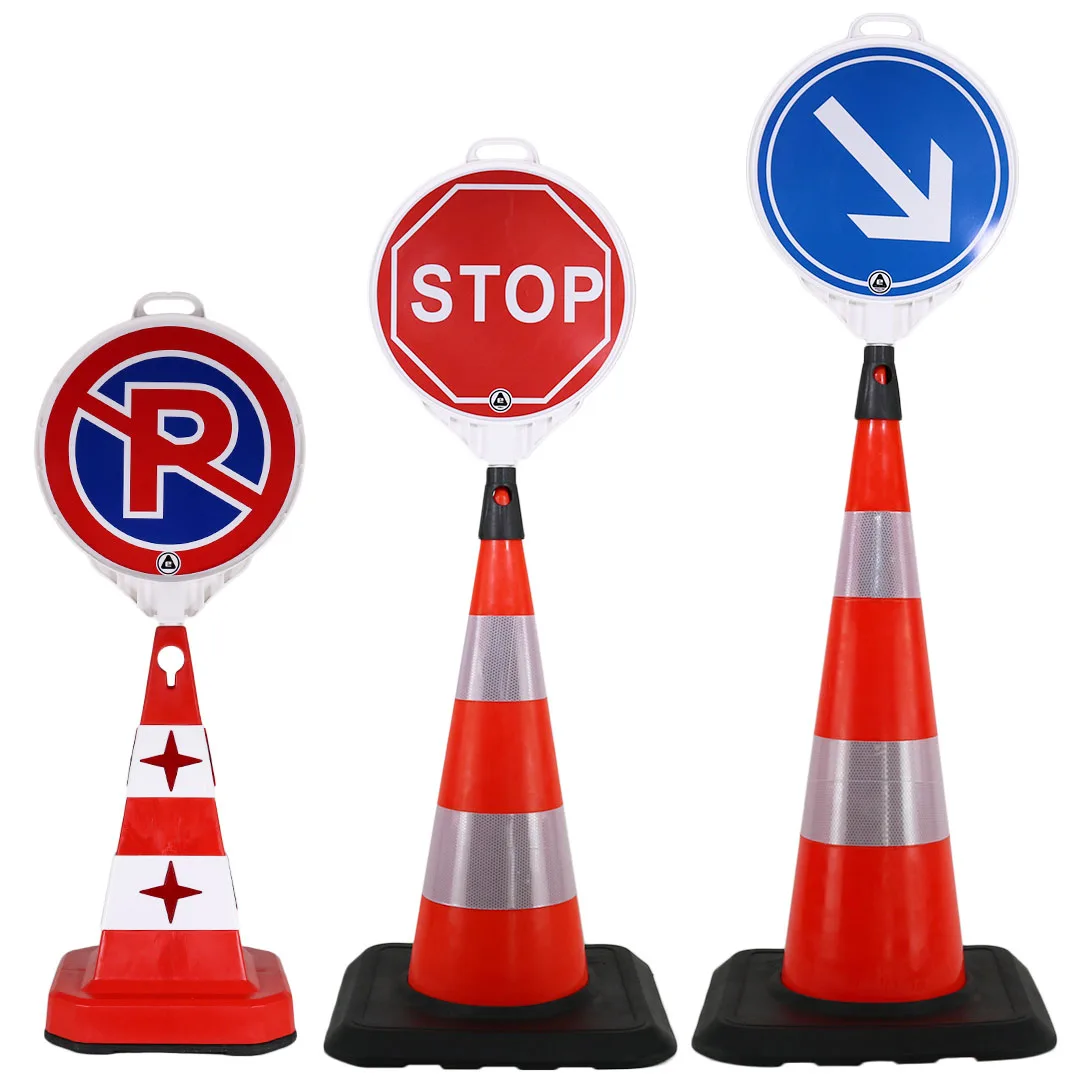
The first seconds decide how the visitor moves forward. If he sees a delimited aisle immediately, he follows it without asking. Therefore, place the first pillars right behind the door, but leave the opening space free. It also adds an information panel to the height of the eyes. Panel A4 for guidance posts It's caught right on the pole. On it you display a short message, such as ‘Cash queue'.
Codes: steering the flow of people with taped pillars
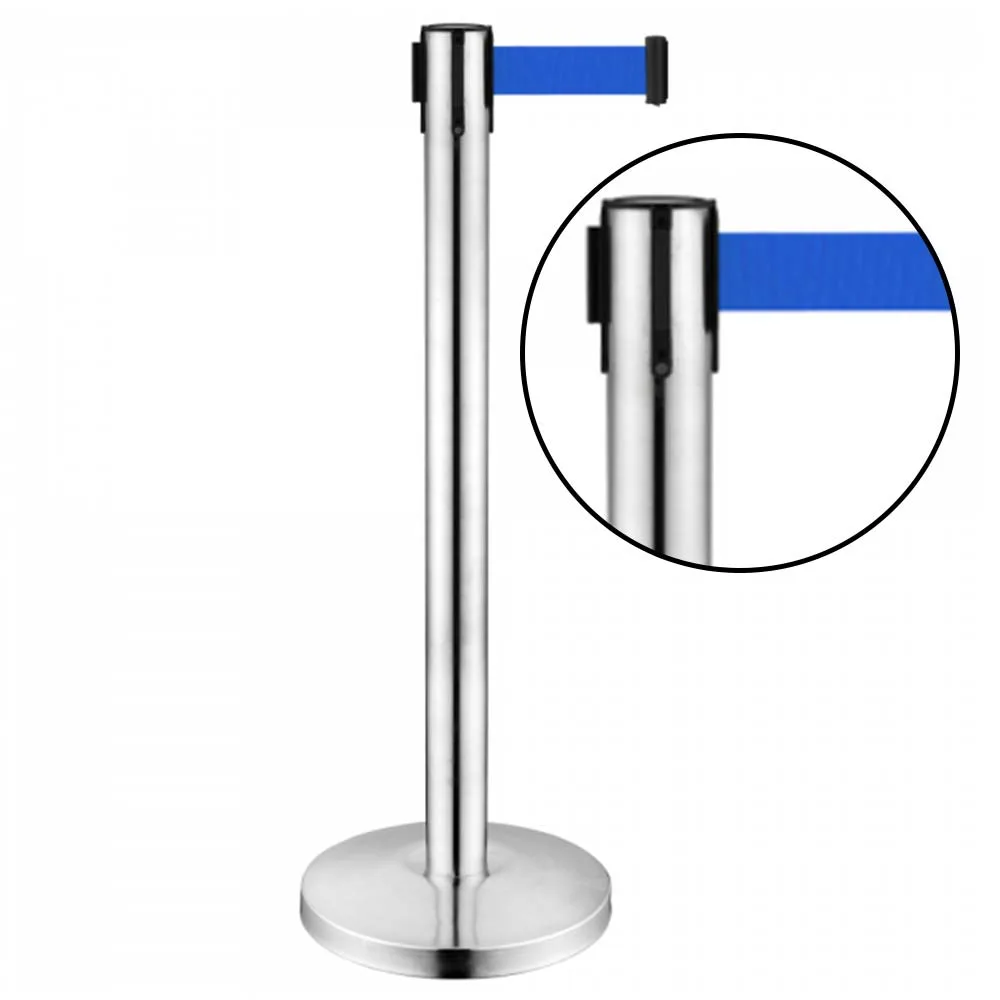
At banks, airports, shops or clinics, the tail needs a clear shape. In this case, retractable taped pillars offer the greatest flexibility. Category Guide poles with tape Find chrome or black patterns. The band is 3 meters long and comes in red or blue. For example, chromed pillar with blue band of 3 meters fits in a space with modern decor.
Organizing tails in a zig-zag corridor
- first set the service point and maximum length of the line;
- divide the length into parallel rows, at a comfortable width of passage;
- put one pole at each end of the line, then spread the band to the next;
- leave a quick exit, which you only close if you need it.
Thus, a long tail fits into a small space. In addition, when the crowd drops, pull the bands and clear the hall in a few minutes.
Wall-mounted tape
Sometimes guiding the flow of people requires a solution without yet another pillar. Then use it wall-locked stoppers tape, red, 3 meters. It closes a side access or a service door without occupying the floor.
Receptions and events: elegant cordon
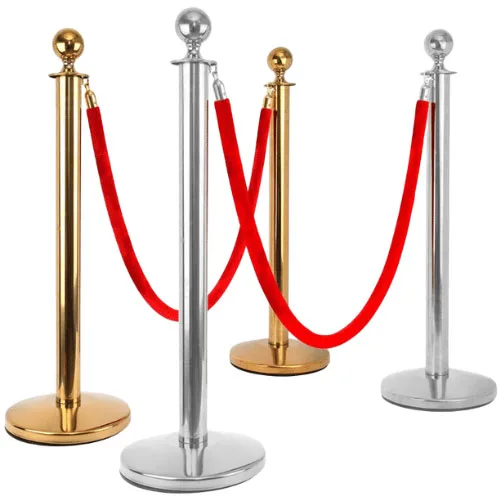
In a hotel, a museum or a gallery, appearance matters as much as order. That's why, here you prefer pillars with spherical head and cord. Category guide posts with cord Find gold and silver variants. Then choose the string: from the red velvet with silver hook or red stuffed with gold hook. So, golden pillar with spherical head Fits with a gold hook string for a unit set.
However, in guiding visitors the cordon does not withdraw itself as a band. Therefore, you use it especially for stable boundaries, such as entering an exhibition or VIP area. For a long route, calculate the total length and divide it at the length of a cord. Thus, you find out how many command strings, and the number of pillars comes out with a higher one. In this way, directing the flow of people remains discreet, without damaging the atmosphere of the place.
Accessibility in managing the flow of people
A good route takes into account all visitors. Persons with visual impairments shall be guided by the relief of the flooring. For this reason, at the head of stairs, passages and entrances you use tactile markings. Category tactile marking includes plates of 300x300, 400x400 and 300x600 mm, in guide or STOP.
- the STOP version warns of a danger, such as a step;
- the guide version shows the direction of passage on the corridor;
- The contrast of color to the floor helps people with poor vision;
- The dedicated adhesive keeps the plates in place.
For example, STOP touch mark 300x300 mm mount before the first step. At the same time, accessibility requirements for managing the flow of people into public buildings come from legislation. You find them National legislative portal, but the final solution you set up after the project, together with a specialist.
Non-slip stairs and ramps
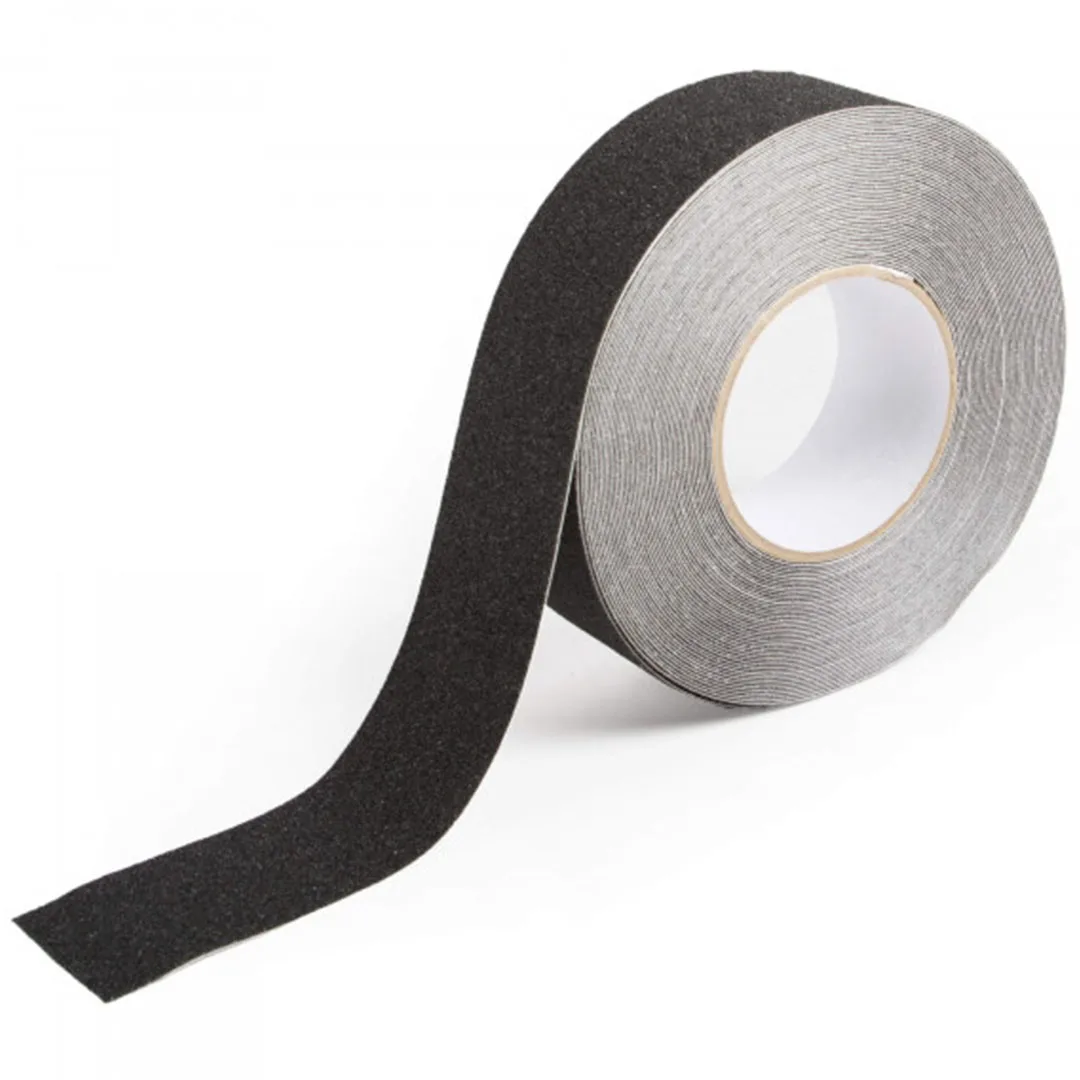
On the stairs, the main risk comes from slipping, especially winter or after cleaning. In this case, a band with abrasive surface changes the adhesion of the step. Category anti-slip strips covers a sheet of 2,5 cm x 15 m. In addition, you will find 2.5 cm or 5 cm self-adhesive black strips with a roll of 25 m. On the stairs, driving the flow of people also means a safe step on each step. For example, 5 cm x 25 m black band Covers the outer sides well. Before application, clean and dry the surface as the dust weakens the adhesive grip.
Guide visitors to the assembly point
Driving the flow of people continues and out of the building. On an evacuation, people need a clear place to gather. Therefore, in the yard you mount a visible panel of all directions. Category Display panels includes triangular prisms and cubes ‘place of assembly in case of emergency'. You find them in painted steel or aluminium, 300 and 400 mm. For example, the 400 mm prism is seen more easily in a large courtyard with many parked vehicles.
How to check the track after mounting
First, he walks his own way, as a new visitor. Then he asks a colleague to do the same thing and notes where he hesitates. Later, move the poles or panels to where the stops appear. In other words, driving the flow of people adjusts to actual behavior, not just plan.
Frequently Asked Questions about Addressing the Flow of People
How many poles do I need for a simple tail?
Count the heads of the line. Each end needs a pole, and a three-meter gang ties two poles.
Can I combine poles with tape and strings with cord?
Yes, but for the guidance of visitors, they keep only one style in the same area. Thus, the visitor perceives the route as a whole.
Where do they put the STOP tagging?
Before stairs, crossings and obstacles. Instead, the guide boards mark the direction of walk.
How long are the anti-slip strips holding up?
Depends on traffic and cleaning. However, you check them periodically and replace them when the abrasive surface is stung.
To drive the flow of people without blocking, choose the equipment in the category orientating pedestrian traffic. The Blocator.ro team helps you combine pillars, markings and panels suitable for your building.