Road directional beacons – Complete guide for use, safety and efficiency in traffic
Do you need help choosing?
Tell us what you need and we'll send you the offer on the same working day.
See and
Road directional beacons
In a world where road safety is a priority, Road directional beacons plays a key role in the organisation and control of traffic flows, especially in areas affected by temporary work, accidents or diversions. These simple, but efficient devices help to avoid incidents, to clearly target drivers and to keep order in traffic. In this complete guide, we will explore everything you need to know about directional beacons: types, uses, mounting, materials, certifications and benefits.
1. What are roadside signs?
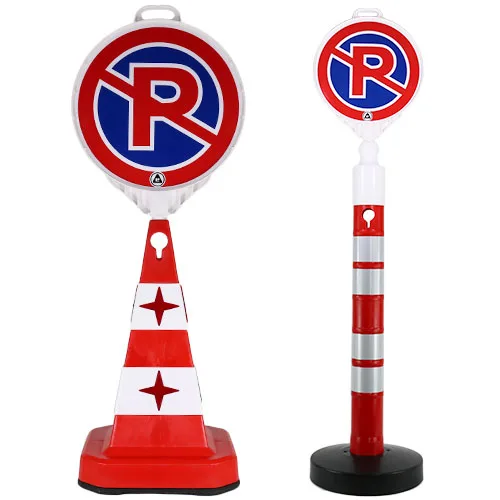
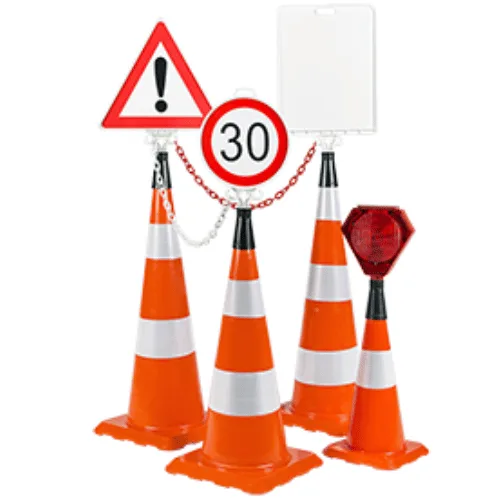
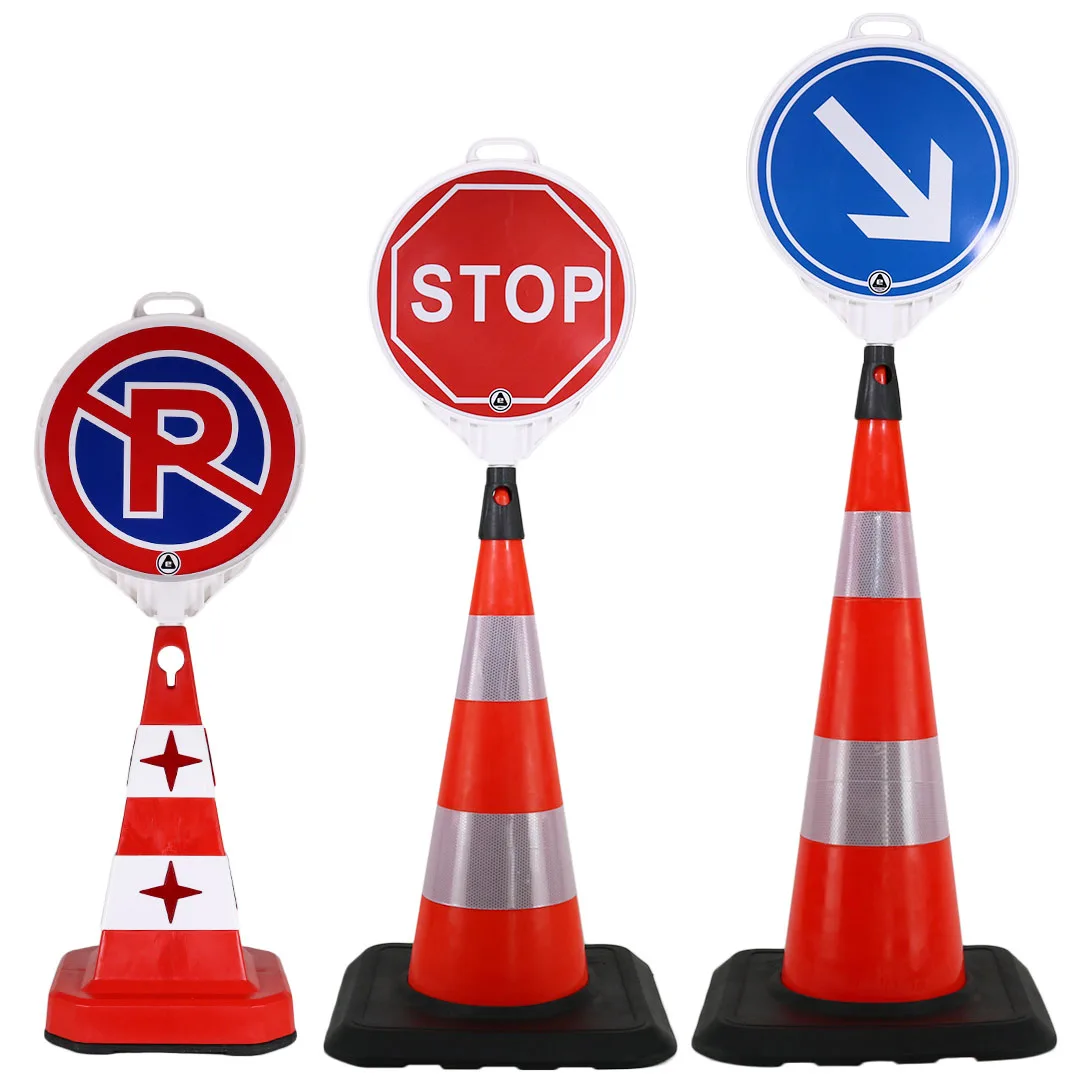
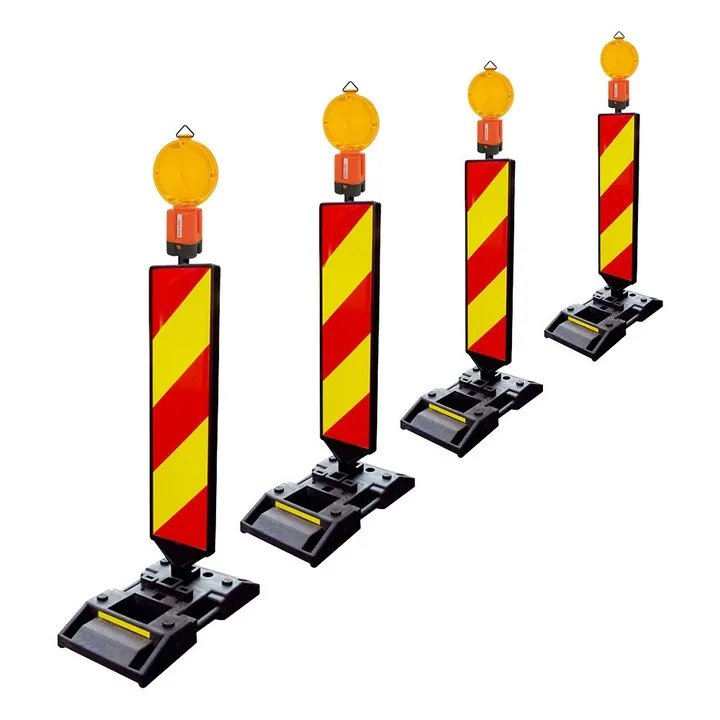
Directional beacons are temporary road signalling elements used to guide safe traffic in hazardous or temporarily modified areas. It can indicate the gang change, a path detourOr I can warn you about an obstacle on the road.
Usually, they are made of durable and flexible materials (plastic, rubber or special polymers) and are equipped with Reflective leaflets, for a excellent visibility both day and night.
2. Where are the directional beacons used?
Tags are widely used in:
- Areas with Road works
- Construction of roads
- Tronsons with temporary diverted traffic
- In cases of accidents or emergency operations
- In areas of temporary danger (land slides, pits, floods)
3. Type of directional beacons
A. After form:
- Flat tag with reflecting arrows
- Prismatic beacons for guiding in curves
- Cylindrical markers with a delimiting role
B. After base:
- Heavy-duty rubber/metal base – for wind resistance and intense traffic
- Light base (plastic) – for manoeuvrability and rapid mobility
C. After orientation:
- Unidirectional – indicates only one meaning
- Bidirectional – signals from both directions
4. Important technical characteristics
- Reflective sheet class 1 or 2 (in accordance with EC standards)
- Standardized height (approx. 100-150 cm)
- Weather and UV resistance
- Optimised weights and stability
- Fast-fixing system
5. How to mount directional beacons
The correct assembly is essential for efficiency and safety:
- It shall be established exact position (depending on angle and traffic)
- Mount the beacon on a Heavy base (recommended minimum 20 kg)
- Orientation arrow/symbol in the right direction
- Check visibility of all angles
- Ensures fixing and stability in front of the wind and the trepidation
6. Benefits of using directional beacons
- Accident prevention by clear signaling
- Reducing Road Chaos in agglomerated areas
- Excellent visibility at night
- Reduced costs compared to other forms of signalling
- Quick assembly and disassembly
- Reusable and sustainable
7. Difference from other signs of movement
| Element | Directional beacons | Road signs classic |
|---|---|---|
| Installation | Temporary, mobile | Fixed, permanent |
| Use | Guide to work/deviations | General rules of movement |
| Mobility | Easy to move | Fixed in the ground |
| Costs | Decrease | Larger |
8. Regulations and standards
All directional beacons shall comply with:
- European standards EN 12899
- CNAIR technical standards
- Temporary Signalling Regulation (OMT)
The use of beacons is recommended approved and EC-registered.
9. Maintenance of beacons
In order to maintain its efficiency, the beacons shall:
- Regularly cleaned Of dust and mud
- Checked for damage
- Replaced if reflective foil is discolored
- Stored in spaces without moisture
10. Procurement Guide – What you need to know before you buy
- Check if the product is EC type-approval
- Choose the right model depending on duration of work
- Make sure he has 360° visibility
- Choose for beacons Heavy-duty for intensive areas covered
- Purchase from verified sources (TOPTRAFIC, for example)
11. Complementary products
Directional beacons work excellently together with:
- Flexible guidance posts
- Lights with intermittent LED
- Protection fences type of construction
- Mobile warning panels
12. Frequently Asked Questions (FAQ)
1. What does a reflective directional beacon mean?
It is a beacon equipped with special foils that reflect the light of the headlights, increasing visibility at night.
2. Are they mandatory in temporary yards?
Yes, according to the law, temporary signalling, including beacons, shall be installed in all works that temporarily change the route of circulation.
3. Can they be used in cities?
Absolutely. I am extremely useful in urban works: sewer, street repairs, modernizations etc.
Conclusion
Road directional signs are more than simple signalling objects – are a essential element in maintaining traffic safety and fluidisation in special conditions. The choice of quality products, in accordance with standards, ensures the protection of traffic participants and the avoidance of incidents. If you are involved in organising road or infrastructure works, make sure you have effective and visible beacons in your possession.