
Parking traffic organisation: equipment, areas and priorities
The organisation of parking traffic means clear routes, low speed and good visibility on each corner. In a private room you do not have the signs of the public road, so you choose the equipment: mirrors, limiters, cable protections and mobile poles.
In short: sketch the premises, find the critical points and give each one a single role: visibility, slowing down, protection or delimitation.
Do you need help choosing?
Tell us what you need and we'll send you the offer on the same working day.
A well-organized parking lot feels right away: drivers see what comes from the side, slow down before pedestrians and do not step on cables. Start from exits to the street, then treat the long alleys and areas that change frequently. Modular equipment allows you to gradually extend the solution, without reworking everything. Compare mirrors, limiters and pillars in the Driving Direction category and choose what fits your premises.
Organizing traffic in the parking lot starts with a simple question: where does it go, where does it go, and where do the cars come from? In a private room, however, the answer does not come from the road signs. However, the same principles apply here. Drivers especially need visibility, low speed and clear routes. Thus, in this guide you find, on areas, the equipment in the category orientate car traffic and the role of everyone.
De unde pornești când planifici organizarea traficului în parcare
First, draw a sketch of the enclosure. Note on it the entrances, exits, ramps and corners without visibility. Then mark the places where pedestrians cross the car lane. It also notes the tracks with temporary cables or hoses. Thus, on this sketch you will quickly see the critical points:
- colour intersections and exits to the street;
- long and straight portions, where drivers accelerate;
- the passage of cables across the access path, especially at events;
- areas that change often, such as loading stations.
For each point, choose a single main role: visibility, slowing down, protection or delimitation. Therefore, the organisation of the movement in the parking lot avoids overlap of equipment and unnecessary spending.
Visibility in exits and corners
The first risk in a parking lot usually appears at the corner. The driver who gets out doesn't see the car from the side, because buildings and fences block his eyes. In this case, a convex mirror changes the situation a lot. Category road mirrors includes round models of 300, 500, 600 and 800 mm, plus a rectangular variant of 400x600 mm. For example, 600 mm mirror Icarus Sisas matches the exit of a parking lot towards a circulating alley.
On the other hand, in covered or underground parking lots space and light differ. There you use, in particular, monitoring mirrors From the inside, from I-30 to I-90. A model like 600 mm mirror I-60 cover, for example, a medium-sized color intersection.
How to choose the mirror diameter
For parking traffic, the practical rule keeps distance. As far as the driver looks at the mirror further, so the diameter must grow. For a small yard, therefore, 300–500 mm usually arrive. Instead, on a wide exit or on a long corridor, it is worth 600 or 800 mm. At the same time, check the angle after mounting, from the driver's seat, not from the sidewalk.
Low speed by limiters, in the organization of parking traffic
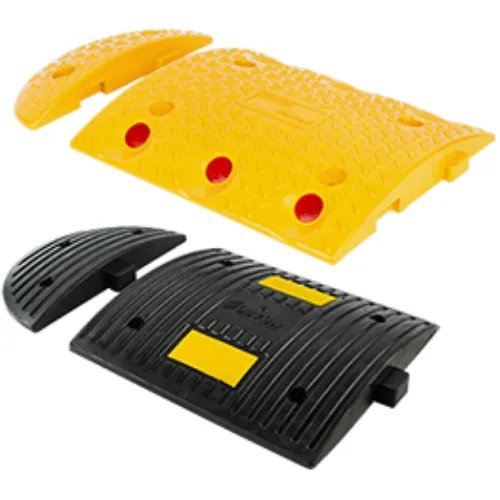
The second risk comes from speed. In the straight alleys, however, some drivers pass too fast past pedestrians. Therefore, organising traffic in the parking lot almost always includes speed bumps. Category Speed bumps includes plastic elements Utun UT 9020 and UT 9022, of 250x350x50 mm, but also rubber elements. For example, MFK limiter 400x500x40 mm has a small height, good for slow traffic enclosures.
- put the limiter before pedestrian crossing, not even on it;
- alter the black elements with the yellow ones, because this is how they look better;
- keep the end caps, i.e. the parts that help the wheels to climb smoothly;
- periodically check the screws and anchors.
Cables and hoses beyond the access path
Traffic in the parking lot is also complicated when temporary tracks of cables appear. It happens, for example, at events, works or charging an electric vehicle. A free cable on the asphalt is used quickly and can cause obstacles. For this reason, use cable protection, which combine the ramp with internal channels. Model MFK 5855, 500x900x55 mm, has a pass for five cables. Instead, the Enerji variants of 600x500x75 mm have three channels, and the model MFK 5852 has two. So, the number of channels you choose after how many cables you cross simultaneously.
Temporary delineation with rigid pillars
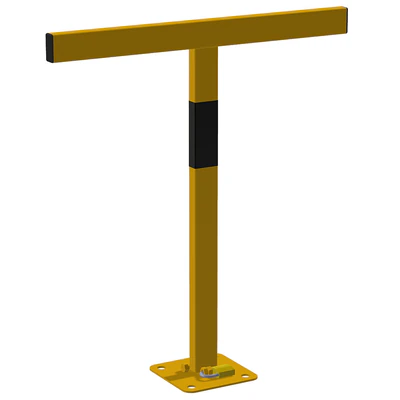
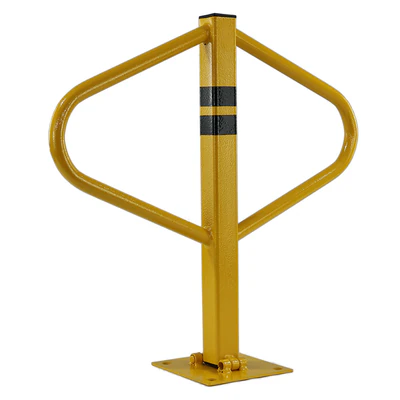
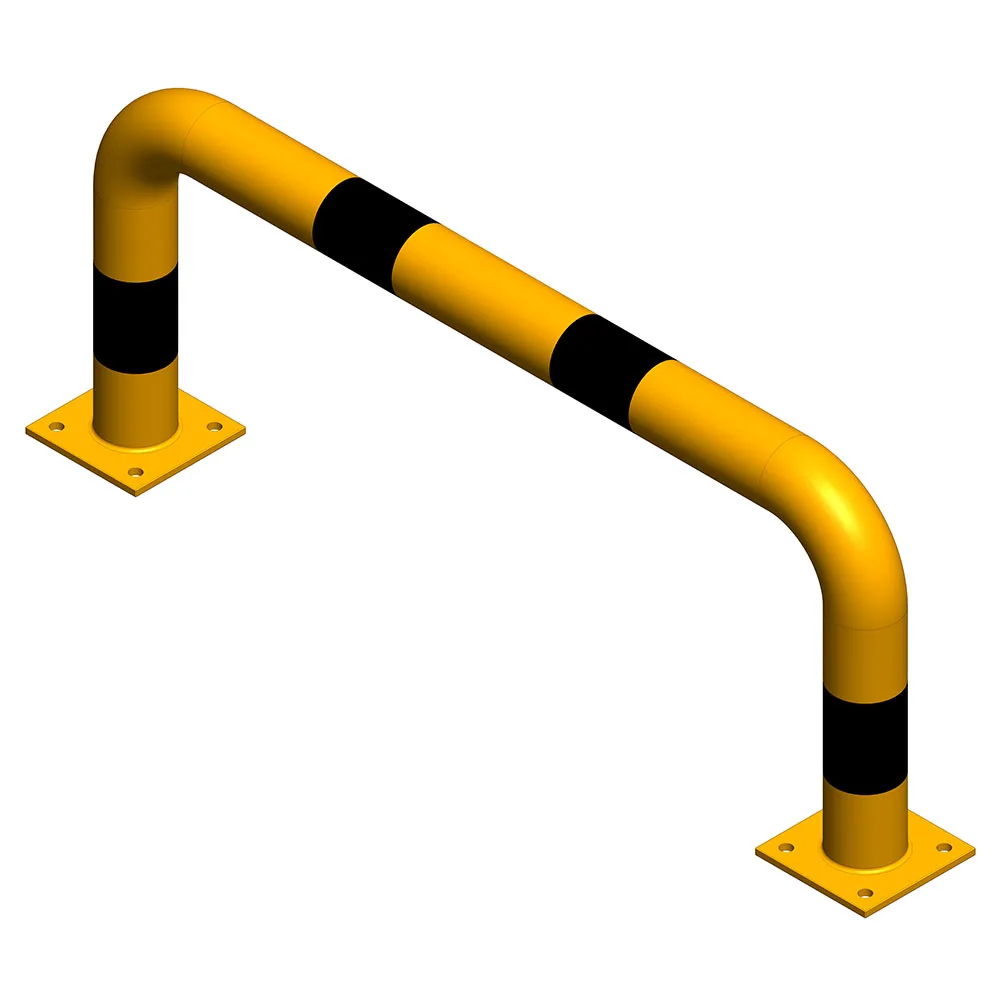
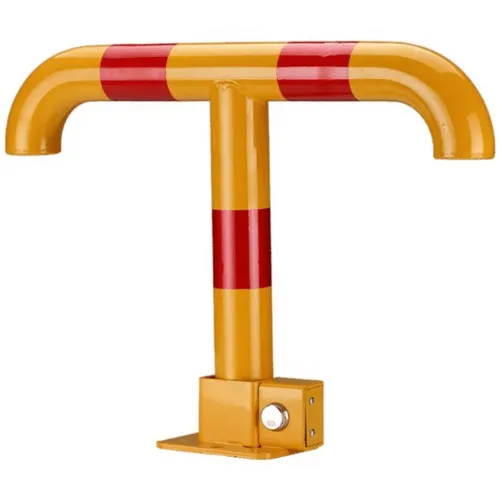
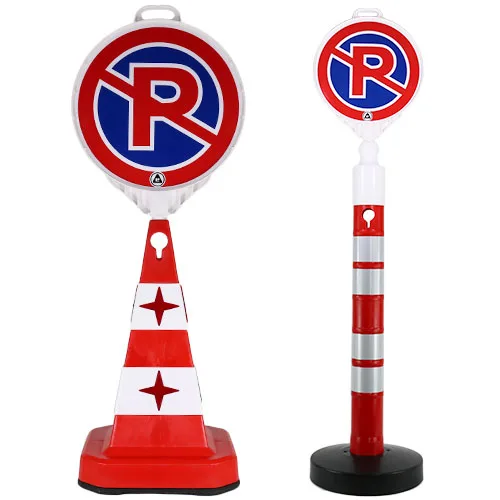
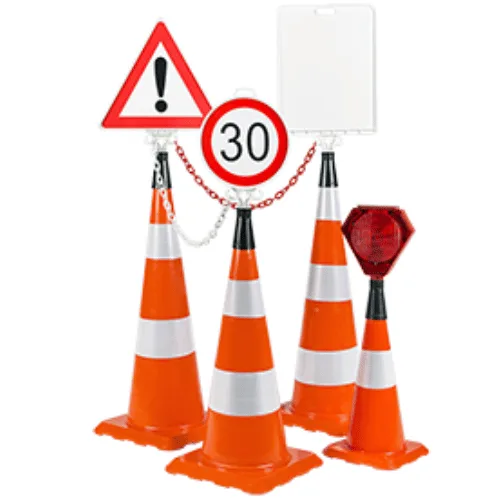
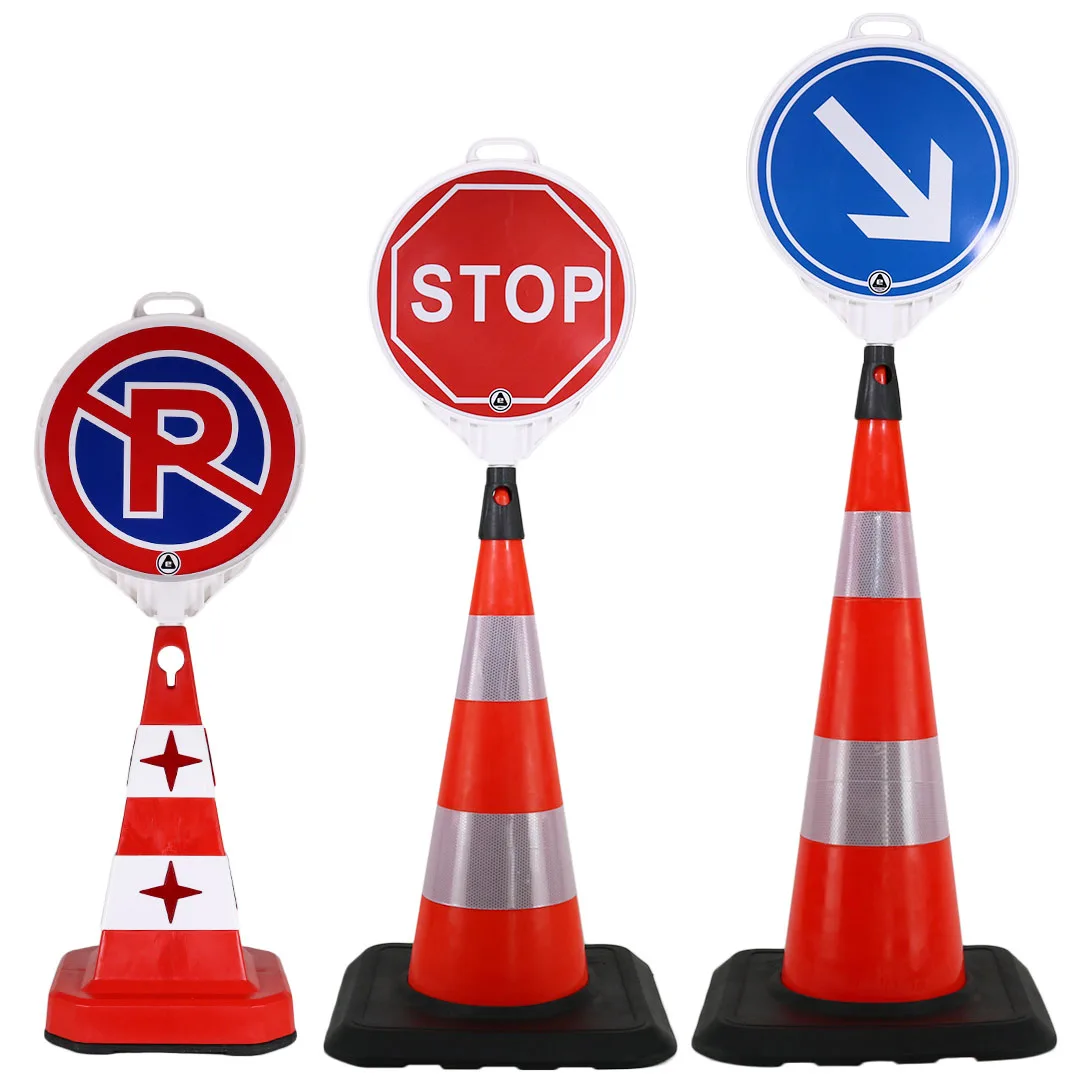
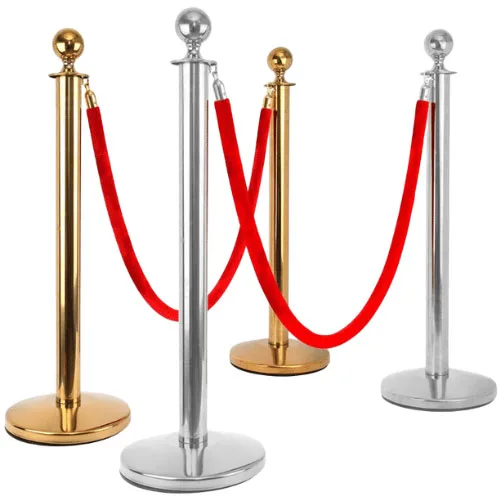
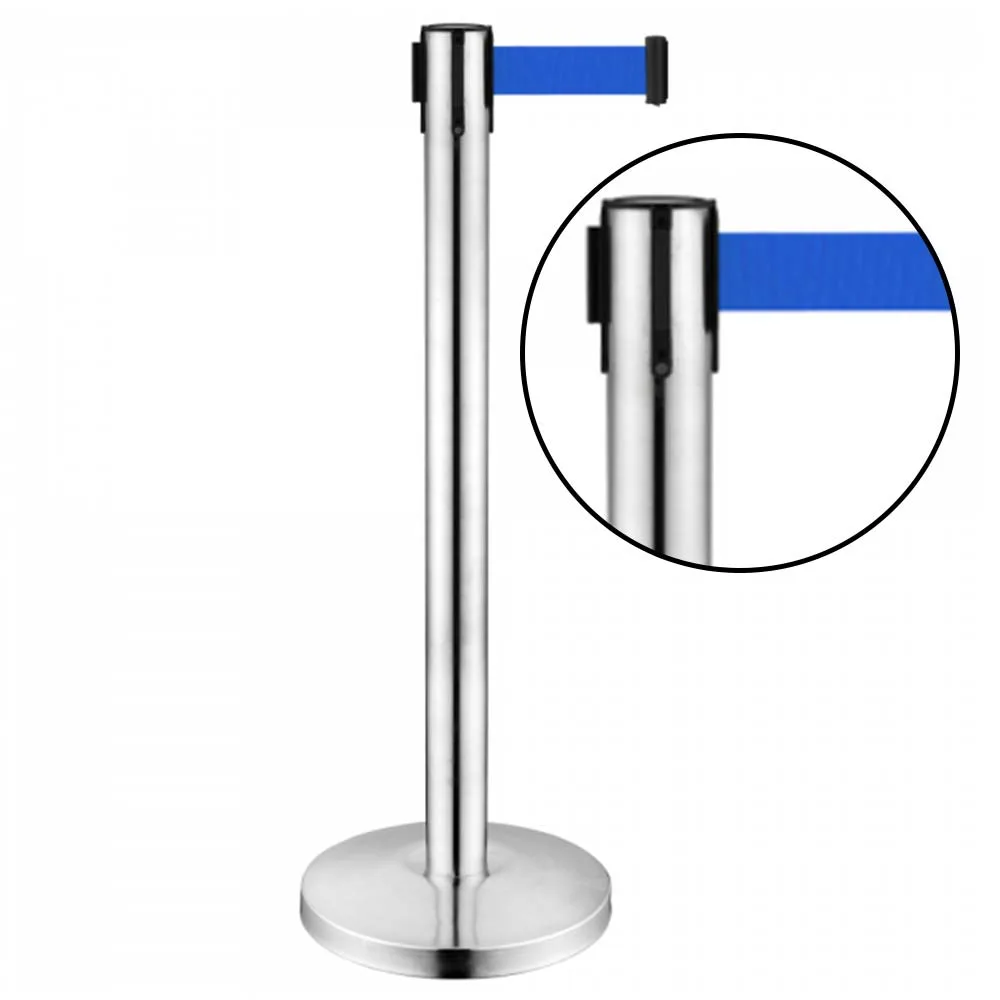
Not every traffic rule remains permanent. Sometimes, for example, you close a row of places for cleaning or for a delivery. Then the circulation in the parking lot needs mobile elements. Category rigid pillars Find 1100 and 1200 mm moving pillars. The first one weighs 6.5 kg and the second one weighs 12 kg. So, 1200 mm 12 kg pole best resists in open spaces, exposed to the wind. At the same time, the version of the reflector tape stacking takes up little storage space.
Order of priorities in the organisation of parking traffic
The budget doesn't always cover everything all of a sudden. That's why he deserves a clear order. First, solve the visibility at exits, because there maneuvers become the most delicate. Then it treats speed in the long alleys. Later, add cable protections where the tracks repeat. Finally, it complements with movable pillars for temporary situations.
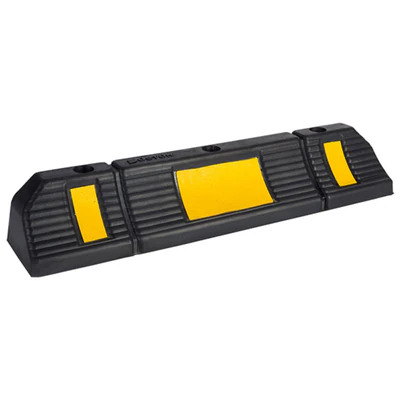
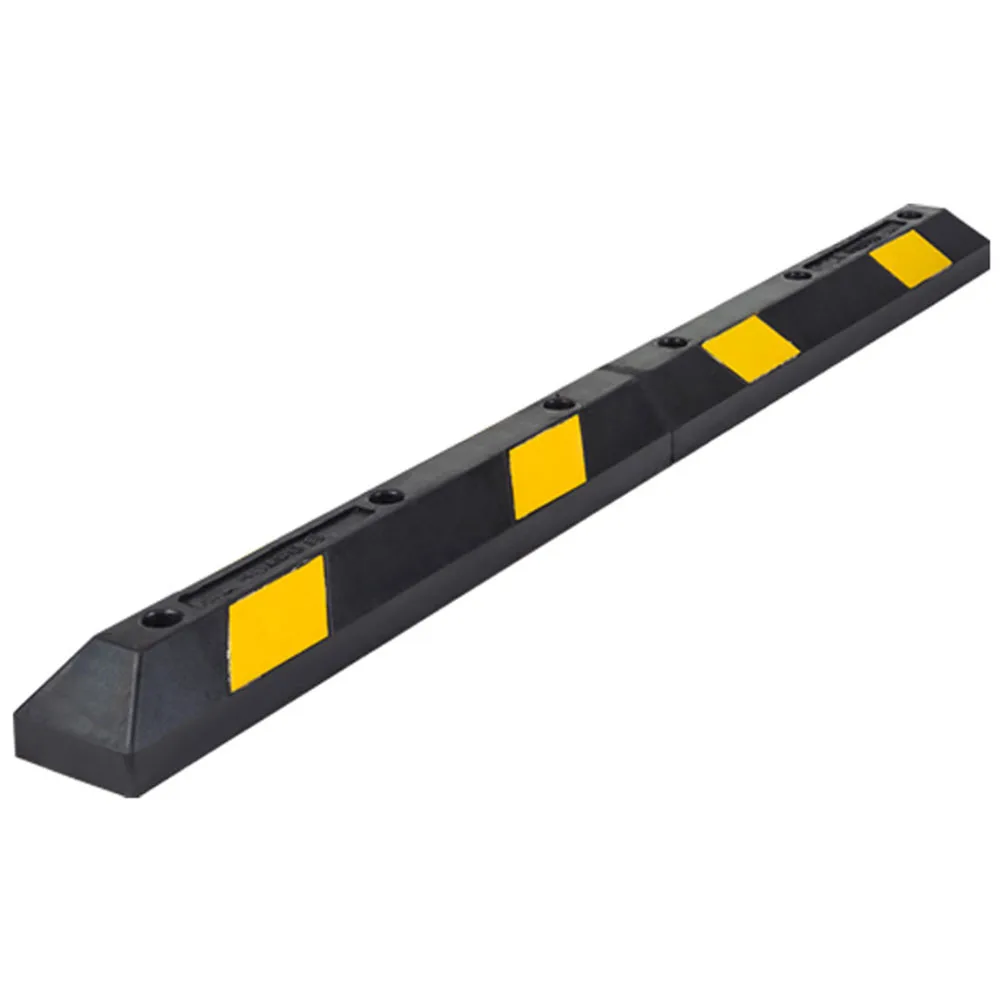
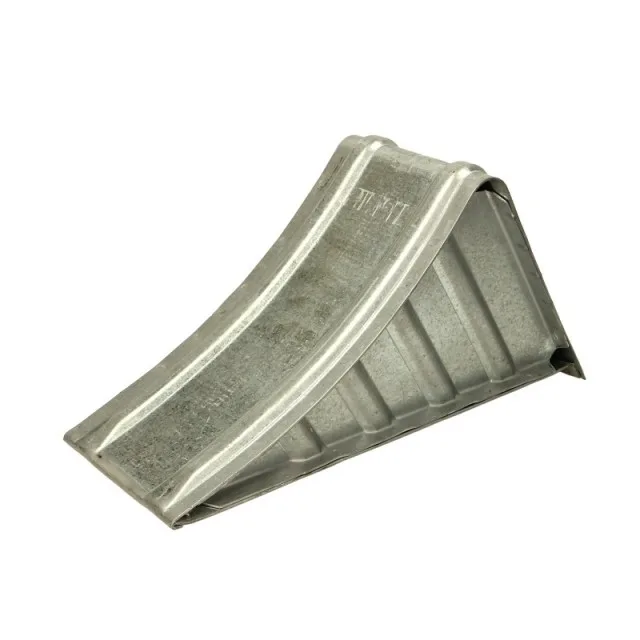
At the same time, the organisation of parking traffic does not stop at the car traffic. Parking spaces need, in addition, wheel stoppers, Especially next to the walls. Thus, you protect both the car and the building.
Frequent errors in the organisation of parking traffic
- mirrors too small for the observation distance;
- limiters without visible signaling nearby;
- Wire covered solely with adhesive tape;
- easy poles left out, especially in days with strong wind;
- equipment put to the ground, without a sketch.
In other words, in parking traffic each equipment has a clear motive on the sketch. On public roads, however, the rules come from road legislation. For general information about the circulation, you can consult the website Romanian Police. In the private room, instead, the owner sets the internal rules, ideal together with a specialist.
Frequently asked questions about organising parking traffic
What equipment do I put first in a small parking lot?
Usually a mirror at the exit to the street. Thus, you reduce the risk of the most difficult maneuver.
Speed limiters bother pedestrians?
Not if you put them before the pass and signal them. In addition, the alternation of colors makes them easy to observe.
How do I choose between the 6,5 kg and the 12 kg pole?
The 6.5 kg pole moves easily inside. Instead, the 12 kg is more stable outside.
Can you organize traffic in the parking lot in stages?
Yeah. First you treat the critical points, then you gradually complete them, based on the initial outline.
So, if you want to put traffic organization into practice in the parking lot, start from the category orientate car traffic and compare subcategories. The Blocator.ro team helps you choose the right mirrors, limiters and pillars for your home.