Industrial protection pillars: guide for halls and warehouses
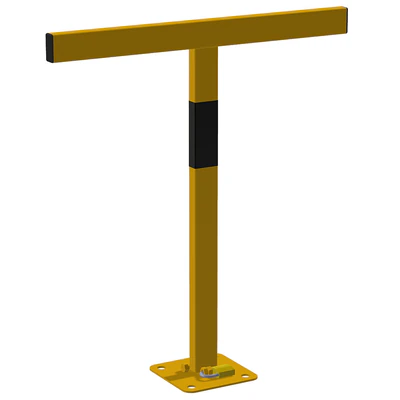
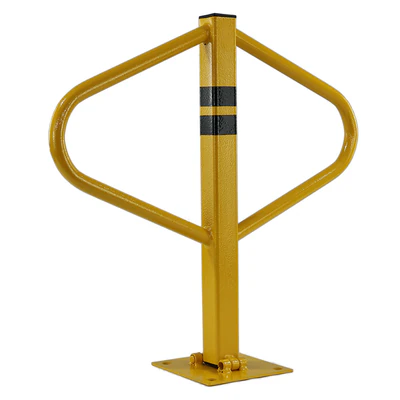
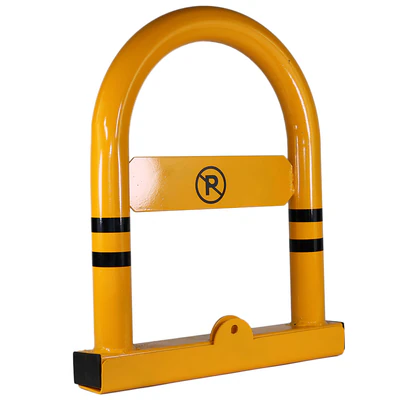
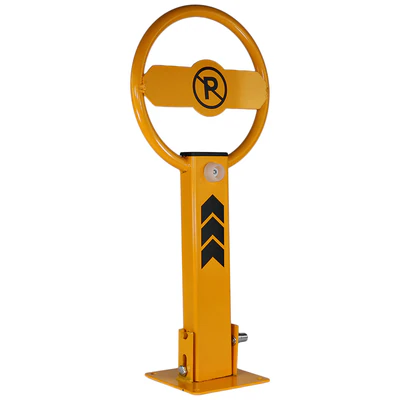
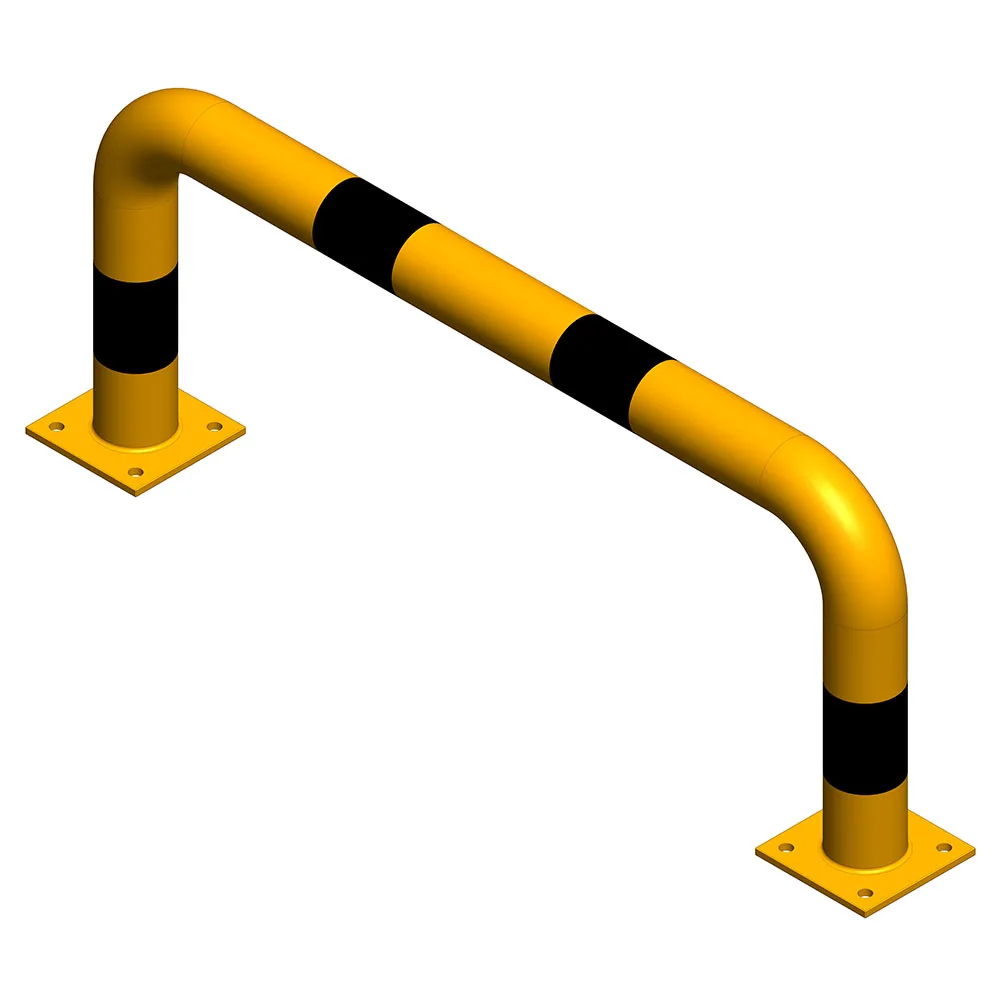
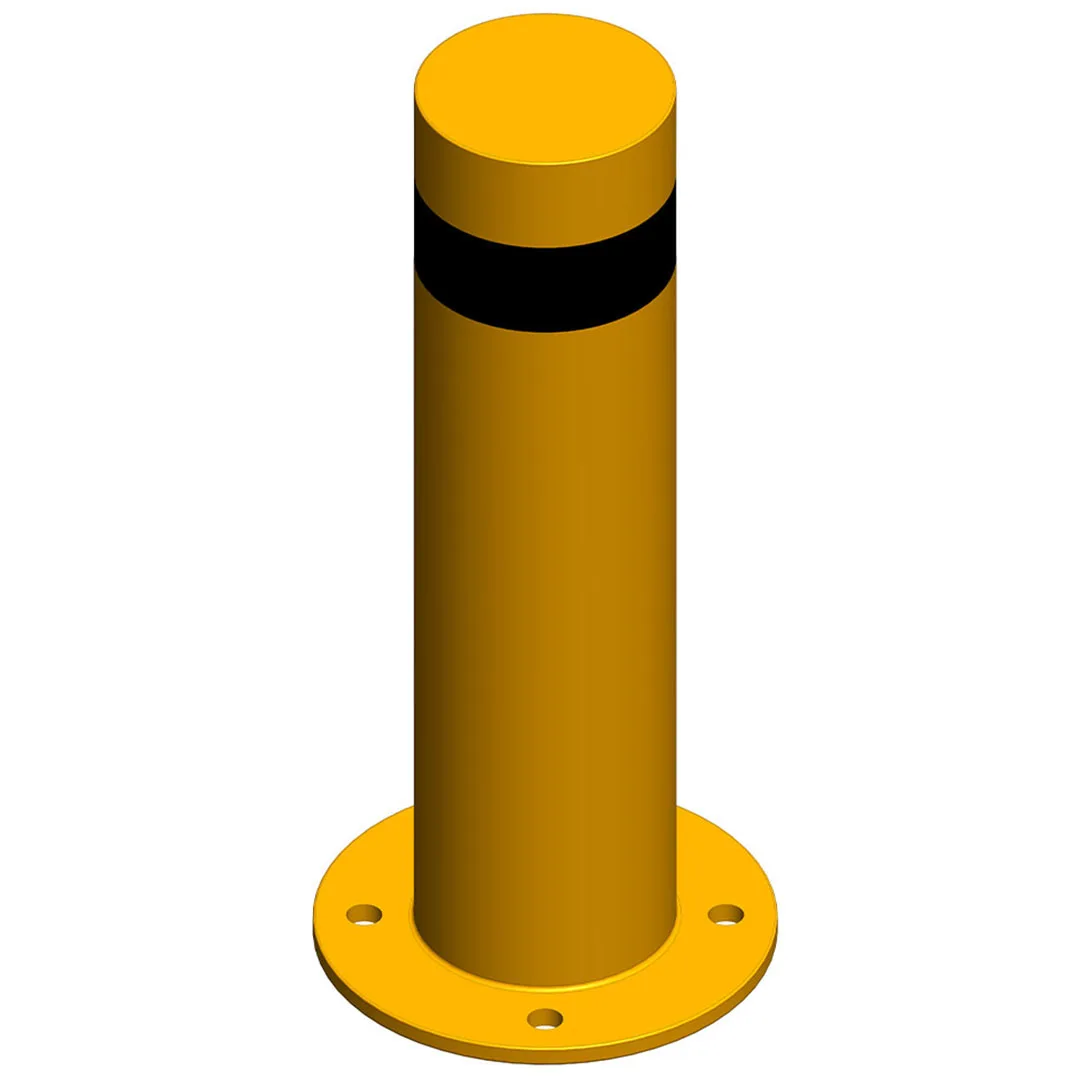
Industrial protective pillars in metal pipe stop the impact of the stackers and machines before they reach doors, machinery or electrical boards. The diameters of 60.3 to 193.7 mm and heights of 400–1200 mm cover from area separation to critical point protection.
In short: identify the risk point, choose the diameter after the vehicle, the height after the protected object and anchor the pole in solid concrete.
Do you need help choosing?
Tell us what you need and we'll send you the offer on the same working day.
The protective metal pillars reduce damage to the halls and warehouses, because they take the hit instead of expensive equipment. Choose the pipe diameter after the vehicles running, the height after the protected object and the colour after the contrast to the flooring. The solid concrete anchor decides how long the impact protection will last. Discover all the diameters and finishes in the Protection Steps category and ask for the help of our chosen team.
Industrial protection pillars You put it where a mop or a car can hit something valuable. For example, an electric painting hit stops production. A deformed sectional door, in addition, blocks the ramp. Therefore, a correct anchored metal pillar costs much less than repair. In this guide we see how you read the dimensions, what you choose for each point of risk and how you mount the pillars.
Where you build industrial protection poles
First, take a tour of the hall and note the points hit often. The paint tracks and the skewered corners actually show you where they hit the vehicles.
- Sectional doors, rapid or evacuation;
- electrical boards and control boxes;
- fixed machinery, such as compressors and cooling plants;
- corners of walls and structural pillars;
- pedestrian color, especially near the stacker tracks.
So, you get a clear list. Then choose for each point the appropriate type of protection.
Metal protective pillars: how you read the dimensions
The name of each model contains three digits. For example, 76.1x900x3 mm means 76.1 mm diameter pipe, 900 mm height and 3 mm wall. Large-diameter models, instead, use 4 mm wall.
Category Protective posts 60.3, 76.1, 101.6, 114.3, 133, 168.3 and 193.7 mm. Heights range from 400 to 1200 mm. In addition, you have a choice between grey finish, anthracite, galvanized, yellow and white.
Suitable diameter for industrial protection poles
The diameter holds the mass and speed of the vehicles. However, a simple rule helps you in the first selection.
Woven fabrics of 60,3 and 76,1 mm
Matches for area separation and easy traffic. For example, pole 60.3x400x3 mm grey anthracite Mark the boundary of a pedestrian corridor. For a higher barrier, though, model 76.1x900x3 mm is easier to see from the stacker's cabin.
Woven fabrics of 101,6, 114,3 and 133 mm
These industrial protection pillars cover the middle area, i.e. the usual electric shovels and stackers. 101.6x500x3 mm protect the base of doors and low shelves well. At the same time, the 133x800x4 mm model protects the walls exposed to blows.
Woven fabrics of 168,3 and 193,7 mm
You choose them at critical points and hard traffic. For example, pole 168.3x1200x4 mm white defend an electric painting mounted above. In contrast, the 193.7 mm pipe provides a wider contact surface.
Choice of height for industrial protection pillars
Height depends on the protected object and the vehicle. A short pole stops the wheel, but not the forks raised.
- 400–600 mm – rail edges, shelf bases, walls;
- 700–900 mm – doors, machinery, visible corners of the cabin;
- 1200 mm – electrical boards, control boxes, installations mounted above.
In addition, check the height of the forks in the transport position. Therefore, the pillar must enter their range of impact.
Protective bulbs: location and distances
Leaves a space between the pillar and the protected object. The pole can easily deform to impact, so you need a buffer zone. Also do not block service access to paintings or machines.
For broad surfaces, put two or more pillars in line. The distance between them must stop the wheel, not let it pass between. For corners and shelf heads, however, archers work better. You find them in the category Protective guards, and for the corners see Corner guards.
Wall anchoring
And the best industrial protection poles can only stand while anchoring them. Therefore, first check the thickness and condition of the concrete.
- avoid dilatation and plate edges;
- use suitable anchors for concrete and expected load;
- clean the dust holes before fixing;
- evenly tightens all flank anchors.
At the same time, after a strong impact, it revisits the anchors, even if the pole seems intact. For general occupational safety rules, find information on website of the European Agency for Safety and Health at Work.
Visibility and colors
Visible industrial protection pillars avoid many hits. The yellow contrasts strongly on grey floors. In contrast, white and grey anthracite correspond to presentation spaces. For example, galvanized variant 60.3x600x3 mm resists well in wet or semi-exterior areas. So, choose the color after light, flooring and style of the hale.
Separating pillars for pedestrian areas
In addition to protecting objects, the pillars divide people from machines. Thus, a pedestrian corridor lined with pillars clearly shows each one where it goes. Especially at the exit from the locker room or office, the conflict with the stackers often occurs.
For separation, 400–600 mm industrial shielding poles usually arrive. However, at the intersections add mirrors and markings to the floor. In other words, the pillars work best together with other measures.
A simple audit of the halo
Before ordering, it's worth a little internal audit. First, write down the trail of the stackers on the map. Then mark every object near these tracks.
- set priority after the cost of any damage;
- choose the type of protection for each point;
- calculate the number of industrial protection pillars required;
- Plan the assembly outside the peak hours.
Finally, resume the audit after any reorganization of the warehouse. Thus, protection always follows the actual flow of machines.
Frequently asked questions about industrial protection pillars
Can I use the pillars and outside?
Yeah. For areas exposed to moisture, the galvanized finish behaves better.
What diameter do I choose for the stackers?
For regular stackers, start from 101.6 mm up. At critical points, though, you go to 168.3 mm.
Should I replace the pillar after an impact?
If the pipe deformed visibly or the anchors weakened, yes. Otherwise, recheck the fixture and continue.
Find industrial protection poles in all diameters in the category Protective posts. The Blocator.ro team helps you choose the diameter and height for each risk point.