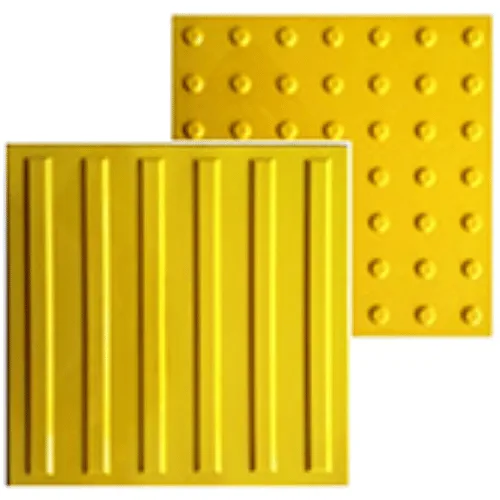
Podotactile marking: warning, guidance and correct mounting
A podotactile marking helps people with impaired vision feel with the sole or with the stick where a ladder, a pass or a pin begins. The STOP version warns of a stopping point, and the steering plates lead the way. The contrast of color and firm assembly counts as much as relief.
In short: STOP for warning, guidance plates for the route, sizes 300x300, 300x600 and 400x400 mm, glued with dedicated adhesive.
Do you need help choosing?
Tell us what you need and we'll send you the offer on the same working day.
Touch markings make the paths from a more predictable building for people with vision impairments. Choose the STOP version at the tops of the stairs, passes and columns, and the long-colored guide boards. You follow the contrast with the flooring and stick the dedicated adhesive plates on the clean surface. The final solution is to establish it after the project and the requirements in force. Periodically check the edges of the plates. See models in the category Touch markings.
A podotactile marking transmits information through relief. The person with visual impairments feels it with the mole or with the stick and finds that a change follows: a ladder, a passage, a peron margin. However, for the other pedestrians the plates seem a flooring detail. Instead, for those who do not see, they mark the difference between a safe step and a fall.
What is a podotactile marking
We're talking about surface plates in relief, glued to the floor or pavement. The relief clearly differs from the surrounding surface, therefore the leg and the stick recognize it immediately. Category tactile marking includes plates for visually odded people in several formats, plus mounting adhesive.
At the same time, plates have a visual role. For example, people with poor vision perceive a contrasting, colorful area more easily than a discreet relief. Therefore, a good podotactile marking works on two channels: tactile and visual.
Warning or guidance: two different functions
Touch plates have two main roles. First, the warning: the sign says "stop, follow a danger or a change in level . Then the guide: the plate shows the direction of the walk on a safe path.
- STOP version signal stop point. You find it, for example, STOP touch mark 300x300 mm or STOP 300x600 mm variant.
- Guide plates lead the step by color, like touch marking 300x300 mm or 400x400 mm format.
In other words, don't mix the two types at random. Because each relief has its own message, users learn to recognize it.
Where you set up a podotactile marking
First, places at risk of falling or disorientation come first. Here are the most common:
- the head of stairs, Up and down before the first step;
- pedestrian crossings, at the edge of the sidewalk;
- peron, along the edge;
- entries in public buildings, shops or institutions;
- large halls, where there are no guiding walls.
At the end of the stairs and at the crossings, you usually use the STOP version. In the halls and long color, instead, the guide boards lead the person from the entrance to the reception, elevator or exit. Thus, a podotactile marking becomes a complete route, not an isolated plate.
Available formats
First, the format chooses it after the width of the area and after the settlement mode. For example, plates of 300x300 mm fit narrow entrances and stairs. The 300x600 mm format covers a long edge faster, such as a pin or a border. In addition, 400x400 mm plates help wherever you want a wider area, easy to detect.
It also takes into account the torts of the flooring. The plates placed in the line, without large gaps, form a continuous signal, easier to follow. On the other hand, large formats reduce the number of tosses. Instead, small plates are easier to adapt to corners and curves.
Color contrast for a podotactile marking
However, the relief alone does not reach for people with partial vision. That's why you choose a color that clearly distinguishes itself from the flooring. For example, on a closed floor, an open color plate stands out. On the other hand, on white or beige, a dark or intense color works better.
In addition, check the area's light. A good day contrast can disappear at night, under weak lighting. So, you do a test at different hours before the final assembly of the podotactile plates.
How to paste a podotactile adhesive mark
The board must stand firm, because a loose edge becomes itself an obstacle to the obstacle. For fixing, category includes adhesive for touch markings.
- First, clean the surface of dust, fats and wax scraps.
- Then you check that the flooring remains dry and flat.
- Then apply the adhesive according to the instructions on the pack and press the plate evenly.
- Finally, avoid traffic in the area until full take.
Podotactil marking and the rest of the accessible fixture
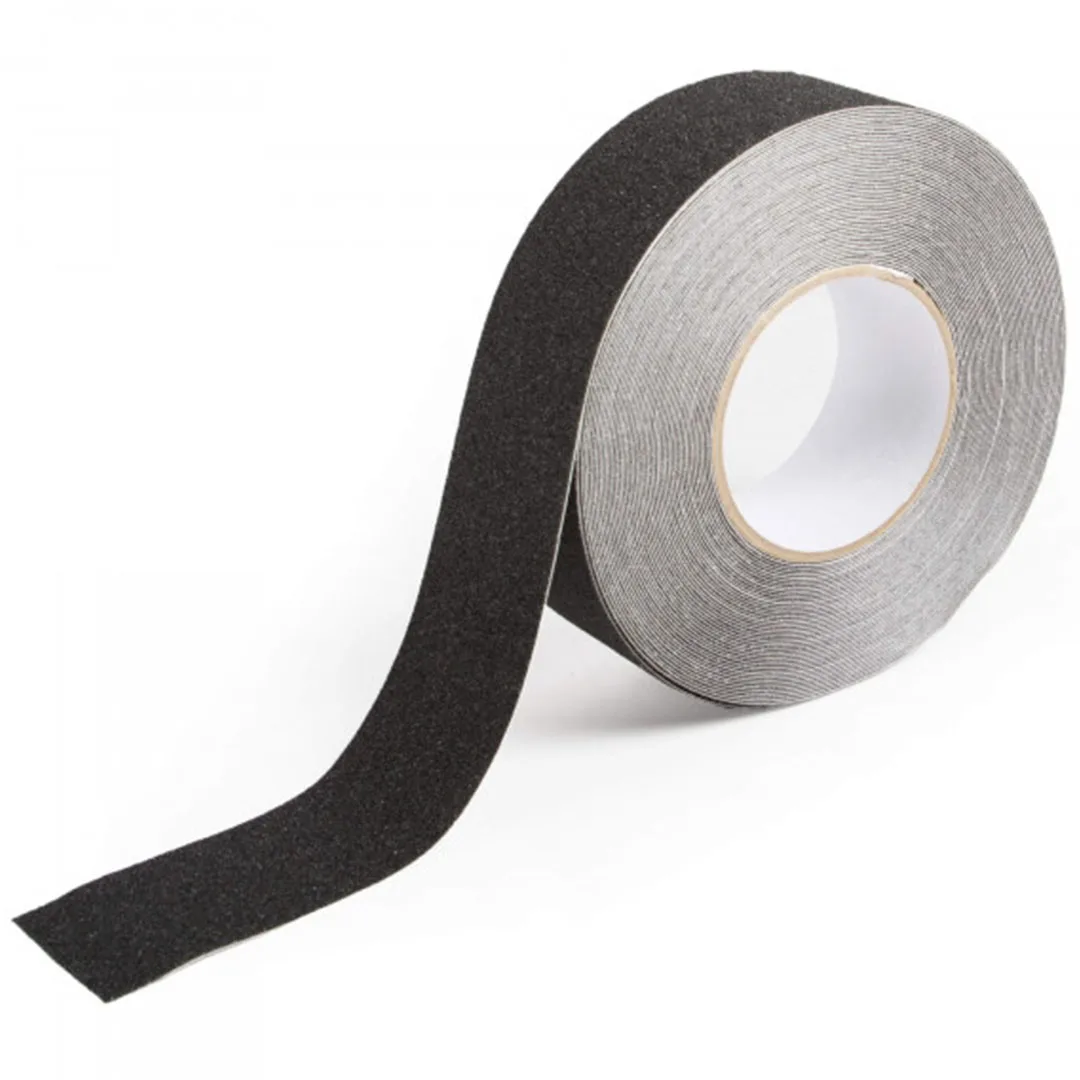
At the same time, touch plates are part of a whole. On the outer steps, for example, go well anti-slip strips. At desks and receptions, Banded guiding pillars organize the tails without blocking the tactile path. But avoid sitting mobile objects directly on a podotactile marking.
The accessibility requirements for buildings and public spaces derive from the legislation in force and the design regulations. Therefore, the final solution is to establish it together with the projector, after analysis of the building. Official texts can be found on the portal Just Legislation.
Mistakes to avoid at a podotactile mark
- warning plates on a guidance path, i.e. mixed messages;
- routes that suddenly stop, without going anywhere;
- goldsmiths, panels or furniture mounted on plates;
- plates of the same color as the flooring, so hard to see.
Besides, don't forget to maintain it. Especially at the entrances, mud and winter salt fill the relief. Therefore, clean the plates periodically, so that the foot and the stick feel the surface clearly. At the same time, you check the margins after each cold season and resell the high plates in time. Thus, a podotactile marking remains useful years in a row.
Frequently Asked Questions about Podotactil Marking
What's the difference between the STOP and the guide?
The STOP version warns of a stopping point, such as a ladder. The guide boards show the direction of the walk on a safe path.
Can I mount the plates over the existing fault?
Yes, if the surface remains clean, dry and stable. Then use the dedicated adhesive and press each plate well.
What format do I choose for a scale end?
For narrow stairways, STOP plates of 300x300 mm shall sit easily. On the other hand, the 300x600 mm format covers the width faster on the side stairs.
View all formats in category tactile marking. If you don't know what podotactile marking fits your building, Blocator.ro team helps you choose.